
Niger: the junta claims to have foiled a coup in Niamey
The attacks come just over two months after the JNIM jihadist attack
from our correspondent Alberto Magnani
 Aggiungi Il Sole 24 Ore
ai preferiti su Google
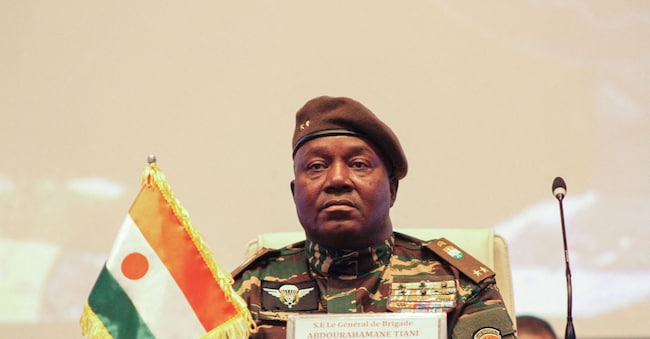
NAIROBI – The Nigerien capital, Niamey, came under attack again on 29 August, with gunfire and explosions reported during the night and early morning near Diori Hamani International Airport and the presidential palace. The military junta, which came to power following the 2023 coup d’état and is led by General Abdourahamane Tchiani, has blamed the offensive on rebel forces and has assured that control has been restored in the ‘sensitive areas’ that came under fire.
“The swift intervention of the defence and security forces,” said Minister Salifou Mody, “has made it possible to contain this insurrectionary movement and gradually regain control of the affected areas. The public is urged to remain calm and to go about their daily business as normal.” His Italian counterpart, Guido Crosetto, reported on X that Italian military personnel and infrastructure had not been “involved” in the incidents.
The attack took place just over two months after the attack claimed by the jihadists of Jama’at Nusrat al-Islam wal-Muslimin, which resulted in dozens of casualties among soldiers, attackers and civilians. At the end of January, there was another raid, again targeting Diori Hamani Airport and Air Base 101. According to Sole 24 Ore, the situation is still evolving.
Another blow to the country’s stability
Niger is a country rich in uranium in the heart of the Sahel, the semi-desert region south of the Sahara that has for years been the global epicentre of terrorism. The recently repelled assault has conjured up the spectre of a ‘coup within a coup’, similar to those already suffered by the military’s allies in Mali in 2020–2021 and Burkina Faso in 2022, heightening concerns about the stability and future of one of the last juntas to emerge from the whirlwind of coups that now forms the ‘belt of coups’ stretching from the Atlantic coast to the Red Sea.
Tchiani’s junta had ousted the former pro-French leader Mohamed Bazoum on the grounds that it was necessary to dismantle the Islamist insurgency that has been ravaging the country for years. The results of the anti-terrorist offensive have been meagre, in a climate of instability further exacerbated by the latest raids by armed groups and the most significant advance suffered by another key ally, Mali, at the end of April. Tchiani’s government has links to the contractors of the Africa Corps, the former Wagner Group, which were among the targets of the latest assault on the airport in June and are linked to the Sahelian juntas through more or less institutionalised collaborative relationships.


