
Northvolt, goodbye to production in Sweden and the European battery dream
The final stop in Skellefteå highlights the fragilities of the continental project: limited public support, technological dependence and increasing pressure from Asian competitors
3' min read
3' min read
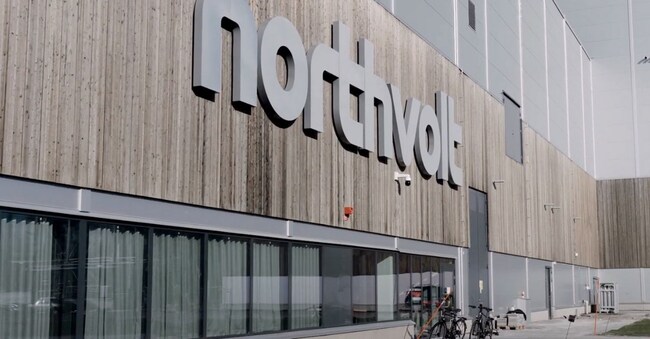
Northvolt, last act. An ambitious chapter in European industrial history has closed for good. The production of batteries for electric cars in Skellefteå in northern Sweden has stopped for good. It was supposed to be Europe's answer to Chinese dominance in the battery industry. Evidently, it did not go according to predictions and wishes.
The company, declared bankrupt on 12 March with a debt close to EUR 7.5 billion, represented much more than just a company. It was the symbol of a larger project: the idea that Europe could gain its own technological independence in a crucial sector for the energy transition. Founded in 2016 by former Tesla executives - including Italian Paolo Cerruti - Northvolt had managed to attract around €15 billion in European funds and private investment, from names such as Volkswagen and Goldman Sachs, becoming the most funded industrial startup in the entire European Union.
But over time, what seemed like a shared dream turned into slow agony. Of the 900 employees in the Swedish factory before the bankruptcy, today about 300 remain, mostly workers. From tomorrow they too will stay at home, while a handful of technicians will maintain the machinery. In total, more than 5,000 workers have been directly or indirectly affected by the crisis, including about 1,800 members of the IF Metall union.
"Many things went wrong and now our members are paying the price," commented union leader Marie Nilsson bitterly. A melancholic epilogue for a project that, at least initially, had raised high hopes. The Skellefteå plant, located near the Arctic Circle, had been presented as the emblem of European ambitions for industrial and strategic autonomy.
For many observers, one of the main causes of the bankruptcy is the lack of adequate public support. Mattias Näsman, economic historian at Umeå University, is clear: 'If the Swedish state had supported Northvolt at the critical moment, we probably would not be talking about bankruptcy today. The comparison with other European countries does not play in Sweden's favour. In France, Germany, Poland and Hungary,' Näsman recalls, 'companies in the sector have received substantial state support. And China, which now controls more than 80 per cent of global battery cell production, continues to offer massive subsidies to its industrial giants, making competition objectively unequal.

