Narcotics

Drugs, Norway and Sweden have two opposing models to combat it

In Norway, the fight against drugs and urban petty crime is based on prevention, inclusion and widespread social intervention, while in Sweden there is growing alarm over gang-related violence and youth drug trafficking. Two opposite models that raise questions also in Italy, where repressive policies struggle to solve structural problems

by Silvia Martelli (Il Sole 24 Ore), Emma Louise Stenholm (Føljeton.dk, Denmark) and Bianca Blei (Norway)

4' min read

4' min read

In a corner of Europe that we are used to imagining as peaceful, orderly and socially advanced, two radically different strategies are being played out in the fight against drugs and urban petty crime. On the one hand Norway, which has chosen the path of social prevention, listening and inclusion. On the other is Sweden, where the rise of narcotics trafficking and the growth of juvenile gangs have already triggered security alarms, with episodes of violence in the daily crime news.

In Oslo, the Norwegian capital, it was decided to invest in social workers instead of more armed patrols. Meanwhile, in Sweden - in Uppsala to be precise - three teenagers were shot dead in three separate incidents in the space of a few months: a dramatic sign of a social fabric that is crumbling. While Europe observes, the two models confront each other with results that open up questions even in Italy, where repressive rhetoric struggles to stem structural problems.

Loading...

The Norwegian model: prevention and human contact

.

"When we ask the street kids what they need, the answer is always the same: a roof and a job". This is spoken by Stine Marit Sundsbø, one of the three key figures in the Oslo Municipality's 'External Service'. Together with Børge Erdal and Nana Mensah, she works tirelessly every day - from 8 a.m. until midnight - in the neighbourhoods where substance use is most prevalent.

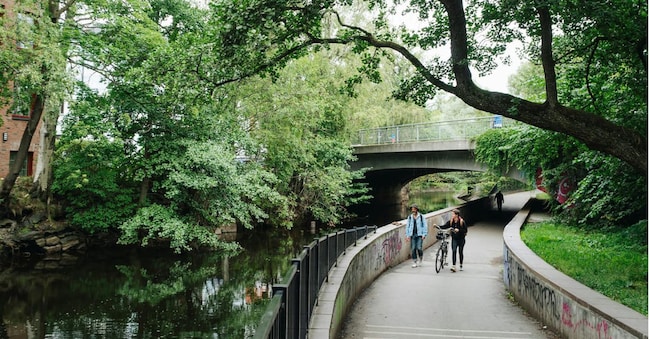
Stine, Børge and Nana do not wear uniforms, do not carry weapons, do not have authoritarian tones. They are social workers, present in the area all year round, in places where other services do not arrive: under bridges on the Akerselva river, near stations, in alleys where drugs are sold.

Their approach is radically human: getting to know people by name, remembering their stories, offering a listening ear and alternatives. A model that works because it reduces isolation, works on risk factors and rebuilds social ties.

The two Oslos: young people looking for a future, elderly marked by addiction

The capital is divided into two scenes. In the north, near the Vaterland district, the young people are concentrated: males under 30 who use and sell cannabis. In the south, in the Storgata area, older users can be found, often chronic addicts hooked on heroin and synthetic opiates.

The operators tell us that help can still be given here: 'Those who have fallen into addiction need therapeutic accompaniment, while those who are only at risk can still be saved,' Erdal explains. 'And help must always be reachable, concrete, present in people's daily lives.

The Swedish case: escalation of violence and belated responses

A few kilometres further east, the landscape changes dramatically. In Sweden, and to some extent also in Denmark, drug-related crime rates are rising sharply. Shootings, murders, juvenile recruitment. In Uppsala, the epicentre of the current crisis, there is shooting even in broad daylight. Gangs compete for territory, social media amplify the sense of impunity and social unease turns to anger.

The Danish government reacted with a multi-million kroner security plan and special patrols to intercept digital gangs. Sweden took cover by tightening border controls, while in Norway there is growing concern about possible criminal 'contagion'.

According to data from the Oslo police, overall juvenile delinquency is declining, but serious crimes are on the rise. "Some violent acts among teenagers," the authorities explain, "are related to drug trafficking or the desire to emulate. As Sundsbø warns: 'If young people feel that others carry a knife to defend themselves, they will end up doing the same. It only takes a moment for a tragedy to ensue'.

Immigration and work: does inclusion really work?

One of the keys to Norwegian success, according to experts, is integration management. Unlike Sweden, Norway has invested real resources in integration, training and labour market access programmes for migrants and young people at risk.

'Punishment does not always deter,' Mensah explains, 'but a work contract can change a life. This is also why the Norwegian government's line is still socially oriented, despite pressure from right-wing parties.

The Progress Party (FRP) today proposes to lower the age of criminal responsibility to 14. The Conservatives (Høyre) want to permanently equip the police with firearms, a measure that today is only possible in case of a terrorism alert. But the majority of Norwegians continue to prefer the line of the Social Democrats, who focus on a balanced response: proportionate punishment, yes, but also policies that prevent before punishing.

A useful lesson for Italy as well?

In our country, the debate on drugs remains polarised. In the face of often securitarian rhetoric, local experiences of prevention and harm reduction are limited and underfunded. Yet, the Norwegian lesson is clear: when one invests in dignity, work and daily presence in the territories, even the most difficult areas can change.

"While in Europe people look elsewhere for a model to follow," Erdal concludes, "here in Oslo we have created something that works. And which is worth defending."

*This article is part of the European collaborative journalism project "Pulse".

Copyright reserved ©
Loading...

Brand connect

Loading...

Newsletter

Notizie e approfondimenti sugli avvenimenti politici, economici e finanziari.

Iscriviti