
Novo Nordisk takes on Eli Lilly in China: application for weight-loss pill submitted

Key points
- Conquering the Chinese market
Novo Nordisk is stepping up its push into the Chinese anti-obesity drug market and is preparing to apply for regulatory approval for its weight-loss pill ‘very soon’, in an attempt to close the gap with its American rival Eli Lilly in what is now the world’s second-largest pharmaceutical market. The announcement was made by the Danish group’s CEO, Mike Doustdar, confirming the strategy of expansion in Asia within one of the most promising and profitable therapeutic areas in the entire industry.
The competition between Novo Nordisk and Eli Lilly is, in fact, shifting increasingly from injectable drugs to oral formulations, which are seen as the sector’s next major growth driver. Both companies believe that a pill could significantly expand the patient base, attracting those who are reluctant to use injections and promoting wider uptake of weight-loss therapies which, in recent years, have revolutionised the treatment of obesity and shifted the competitive balance in the global pharmaceutical market.
Conquering the Chinese market
The US-based company Eli Lilly has already made its move. In March, the group announced that it had submitted an application to the Chinese regulatory authority for marketing authorisation for orforglipron, its once-daily, non-peptide oral GLP-1 receptor agonist. The drug represents one of the company’s key strategic priorities, as it aims to replicate the success achieved with injectable treatments in the oral medication segment.
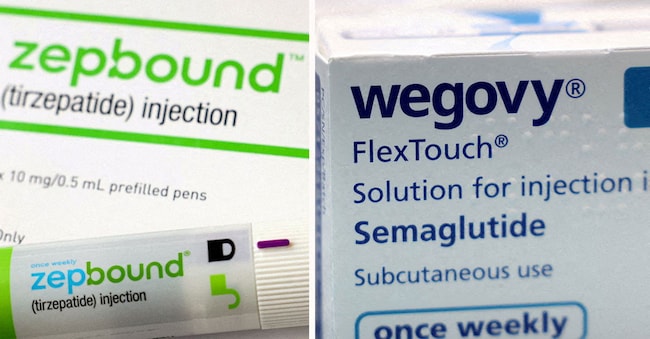
Novo Nordisk, for its part, can rely on the Wegovy pill, which has already been approved in the United States and the United Kingdom. The drug contains semaglutide, the same active ingredient used in the injectable version of Wegovy and in the antidiabetic drug Ozempic, two of the Danish group’s most successful products and among the world’s best-selling medicines. The expansion of the oral formulation’s marketing into the Chinese market would therefore represent a key strategic step towards consolidating the group’s leadership in a rapidly evolving sector.
China has, in fact, become one of the most sought-after markets for GLP-1 drug manufacturers. Growing concern about obesity and metabolic disorders, combined with the expansion of digital sales channels, is driving a sharp rise in demand. According to estimates by investment bank Jefferies, in the first quarter of the year, sales of GLP-1 drugs via the two main Chinese e-commerce platforms, Alibaba and JD.com, reached approximately 1.4 billion yuan, equivalent to around 207 million dollars.


