
Nuclear power, from new plants to waste: five questions and answers on the Pichetto bill
The measure received the final go-ahead from the Council of Ministers a few days ago: here is what it states

Key points
- 1) Will the approval of the Bill allow the old power stations to be switched on again?
- 2) Who will oversee the safety of the nuclear infrastructure?
- 3) Does the Bill include a long-term plan on sustainable nuclear power?
- 4) Where will the new facilities be built?
- 5) Will there be guarantees and forms of protection for radioactive waste disposal sites?
The final OK came a few days ago from the Council of Ministers. And now Pichetto's Ddl on sustainable nuclear power, i.e. the measure with which the government aims to create the conditions for a return to atomic energy production in Italy, is preparing to go to Parliament. But the timing of this return will not be quick. This is because the bill defines a general framework, entrusting the adoption of a series of implementing decrees - which will have to be put down in black and white within 12 months of the law coming into force, thus after being examined by Parliament and converted into law - to translate the principles contained in the bill into practice. Here, in five questions and answers, are the main points of the measure.
1) Will the approval of the bill allow the old power stations to be switched on again?
Absolutely not. The draft law, as the Minister for the Environment and Energy Security Gilberto Pichetto Fratin has also stated on several occasions, aims to ensure a clear break with the nuclear plants of the past, which, in the bill, are earmarked for definitive decommissioning, without prejudice to the possible reconversion of the relevant sites.
2) Who will supervise the safety of the nuclear infrastructure?
The bill entrusts this step to an ad hoc piece of legislation, calling for an assessment of the advisability of setting up an independent administrative authority, competent for nuclear safety, with the tasks of regulating, supervising and controlling new plants. It will therefore be up to this Authority, if it is established, to verify compliance with the technical safety regulations in accordance with European and international best practices.
3) Is a long-term plan on sustainable nuclear power envisaged?
The measure clearly emphasises the need to provide for a national programme aimed at the development of energy production from sustainable sources, which contributes to the national strategy for the achievement of carbon neutrality goals and guarantees the country's energy security and independence, as well as the prevention of risks of energy supply interruptions and the containment of energy costs.
4) Does the provision stipulate where the new facilities will be built?
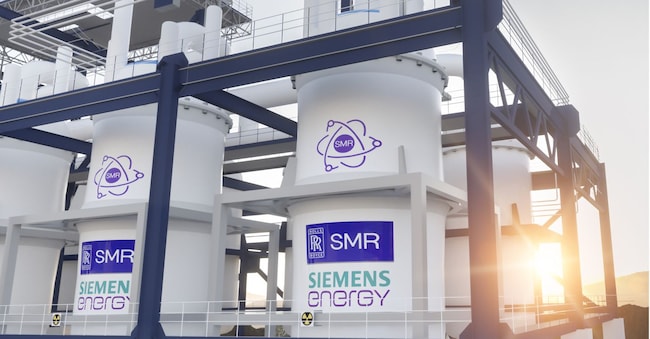
The decree does not deal with the location of new plants, but entrusts legislative decrees with the task of identifying the types of plants that can be authorised - on the basis of the criteria of maximum sustainability and safety set by European regulations - using the best nuclear technologies, including modular and advanced ones. Compared to the text first examined by the Cabinet last February, the version approved a few days ago then emphasises that, in the hypothesis of ex ante identification of areas suitable to host them, it will be necessary to ensure forms of consultation with the municipalities concerned, also considering measures to promote and enhance the relative territories.


