
Healthcare professions

From radiotherapy to nuclear power: why we need expertise and specialists

In the bill passed by Parliament, physicists are among the professions for which training requirements for the nuclear sector must be regulated

 (Adobe Stock)

2' min read

Translated by AI
Versione italiana

2' min read

Translated by AI
Versione italiana


The approval of the draft bill on sustainable nuclear energy marks a crucial step not only for the future of the sector, but also highlights that the necessary professional expertise already exists in our country and has been contributing to everyone’s safety for years.

Loading...

The role of medical physicists

During the parliamentary process, an amendment was incorporated which expressly includes physicists amongst the professional groups for whom training arrangements must be regulated, with a view to developing the skills required for the nuclear sector. Alongside technicians, researchers and engineers, the contribution of a highly specialised profession is recognised, with expertise ranging from nuclear physics to radiation protection, and from dosimetry to the management of ionising radiation.

For our profession, this is not merely a formal recognition: for the first time, a regulation aimed at the development of the nuclear sector explicitly includes physicists amongst the professional groups to be involved in training programmes. This is an important step, as it recognises the value of expertise gained over decades of work in hospitals, universities and research organisations.

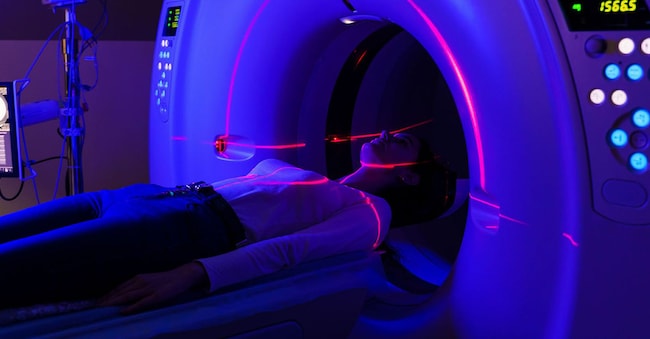
Many members of the public are unaware that behind a CT scan, a PET scan, radiotherapy for cancer and many other healthcare technologies, there is a medical physicist at work: they are the professionals who verify that the equipment is functioning correctly, monitor radiation doses, assess risks and help to ensure that every treatment or examination is carried out in accordance with the highest safety standards.

Every year, millions of Italians come into contact with technologies that use ionising radiation, and the safety of these processes is made possible in part by the work – often unseen but essential – of medical physicists, experienced professionals capable of combining research, scientific rigour and risk management; skills that represent a valuable asset even beyond the strictly healthcare sector.

Training as a strategic asset

The new measure does not alter the nature of our profession or the role that medical physicists play within the National Health Service. It does, however, affirm an important principle: the experience gained in the safe management of radiation constitutes a strategic resource for the country and can assist in the training of the professionals needed to meet the challenges of the future.

In a technologically advanced sector such as the nuclear industry, the quality of training is the key factor in safety and sustainability. We therefore wholeheartedly welcome the decision by the legislator, which recognises the role of scientific knowledge as an essential element in driving development and innovation, whilst always acting responsibly. Because no innovation can be truly sustainable without professionals who are equipped to manage it.

In a technologically advanced sector such as the nuclear industry, the real challenge lies not only in the technologies themselves, but above all in the knowledge required to manage them safely and responsibly.

The deeper significance of this recognition lies in the realisation that innovation, safety and development can only go hand in hand by investing in skills: because no technology can fully realise its potential without professionals capable of managing it with rigour, safety and a sense of responsibility.

Loading...

* President of AIFM – Italian Association of Medical and Health Physics

Copyright reserved ©
Loading...

Brand connect

Loading...

Newsletter

Notizie e approfondimenti sugli avvenimenti politici, economici e finanziari.

Iscriviti