

Obesity negatively impacts the reproductive system, good law to counter it
Our country is among the first in the world to have specific legislation for the prevention and treatment of this chronic and relapsing disease

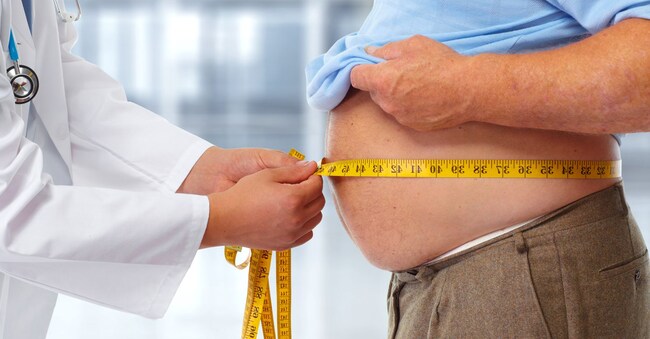
Obesity is a real risk factor for births, negatively impacting the reproductive system. Therefore, having a good body weight, an adequate lifestyle and a healthy diet favours conception, including through medically assisted procreation techniques (Pma), since embryos implant more in normal-weight individuals. The new law recognising obesity as a disease is therefore a fundamental step for Italian healthcare, because it opens up new perspectives for intervention and represents a significant achievement for reproductive health as well. Our country is among the first in the world to adopt specific legislation for the prevention and treatment of this chronic and relapsing disease.
When we talk about overweight and, more generally, obesity, we must bear in mind that adipose tissue is a true endocrine organ, which processes hormones and negatively influences the hypothalamic-pituitary axis that regulates the function of the gonads. This results in a deterioration of the quantity and quality of oocytes, i.e. the female germ cell, and the quantity and quality of spermatozoa. This significantly reduces the couple's chances of conception. Obesity, in fact, has important repercussions on fertility, both male and female: in women, it hinders ovulation, hormone regulation and affects endometrial quality, while in men, obesity is known to be associated with reduced sperm quality.
Thanks to the new legislation, a first decisive step is taken towards a systemic and all-embracing approach to this pathology, which must be able to involve a number of specialists, institutions, and territorial communities, in order to put in place coordinated prevention and training actions, especially to protect the younger generations. It is significant that the text, a parliamentary initiative, also provides for a training plan for doctors and paediatricians and the establishment at the Ministry of Health, of the Observatory for the study of obesity, an essential tool that, it is hoped, can in any case engage in concrete dialogue with assisted procreation centres, in the knowledge that this pathology constitutes, in any case, a real clinical risk factor precisely for infertility. As the Minister of Health, Orazio Schillaci, also observed, 'with this law we strengthen our commitment to combating obesity by focusing decisively on prevention as well as on specific training for healthcare personnel'.
It should also not be forgotten that there is a genetic predisposition to obesity, due to the activity of multiple genes that can be modified by correct lifestyles. It is not just a monogenic fact, i.e. determined by the transmission of a single gene from parent to child, but a polygenic transmission, i.e. determined by several genes that can interfere, for example, on satiety control and appetite. These genes, however, can be activated or repressed depending on the type of nutrition we follow. There is, in essence, a so-called epigenetic influence on the expression of these genes. This is why nutrition is important: there are particular foods that are rich in certain substances called methyl groups, which affect the DNA and are able to activate or deactivate it.
Lifestyles, dietary education, and professional training for health professionals are crucial aspects of the fight against obesity, in the knowledge that action must be taken on several fronts from childhood onwards. In this process, schools must also play a leading role in full liaison with families.

