
The study

Obesity stops in rich countries and slows in Italia, but 6 in 10 undiagnosed

The study published in the journal Nature calls into question the idea that there is a pandemic of obesity, a disease that is halting in rich countries and in Italia. However, diagnoses are scarce and among the knots to be unravelled is the law on privacy

by Letizia Giostra

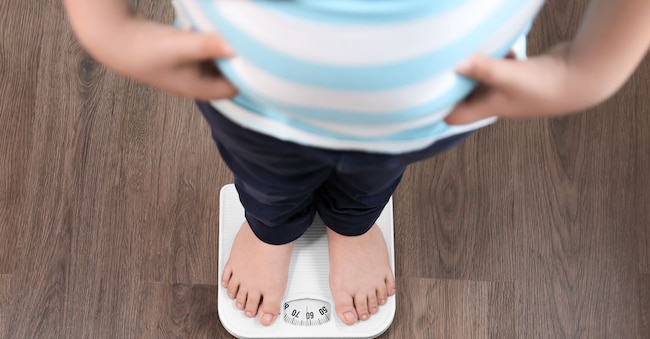
Overweight boy standing on floor scales indoors Africa Studio - stock.adobe.com

3' min read

Translated by AI
Versione italiana

3' min read

Translated by AI
Versione italiana

While obesity rates have come to a halt in most industrialised countries, the exact opposite is happening in low- and middle-income countries. Instead, Italia, France and Portugal show only a slight slowdown.

This is indicated by a vast international analysis published in the journalNature, which involved some 2,000 researchers from all over led by Imperial College London. More than 230 million individuals from 200 countries were involved in the study, the aim of which is to put the idea that an obesity pandemic is underway into question.

Loading...

A analysis that, according to the coordinator of the team of researchers, Majid Ezzati, suggests not only a slowdown and stabilisation of the obesity growth rate but also a possible reversal in many countries. A picture that the researcher describes as 'more optimistic', while still highlighting the progress that has been made. However, the next step for the study is to look for the reasons why some countries are performing better than others and 'apply the lessons learnt'.

Over 4o years of data collection: positive outcome for children and adolescents

Data on the Bmi (Body Mass Index) of millions of people aged 5 years and over, collected in a time window from 1980 to 2024, were taken as a reference for the research. The results show improvements in high-income countries. Positive results especially in children and adolescents, followed about a decade later by adults.

The first to slow down in the early 1990s was Denmark, followed closely by most other countries since 2000. Australia, Finland and Sweden are the only exceptions concerning children, as obesity has increased or even accelerated for these countries.

Stabilisation at different times for each country

The growth of obesity stopped or reversed for Europe and Japan when the prevalence was still below 10% among children. In Italia, for example, stabilisation was recorded with a prevalence between 8% and 12% for children and between 14% and 15% for adults. In contrast, in the United States and New Zealand, stabilisation was found to be between 19% and 23% of the school-age population.

Obesity accelerates in low- and middle-income countries

Obesity is increasing - and sometimes accelerating - in most low- and middle-income countries: in Brazil, but also in Romania and the Czech Republic, for example, it has reached a prevalence of 30-40% among adults. The researchers therefore call for targeted public health policies to close the growing gap, focusing on the availability and affordability of healthy food.

In EU 6 out of 10 undiagnosed

Italia is the first country in the world to have recognised obesity as a disease through the Pella law that came into force a few months ago. Several clinicians refer to it as a new 'epidemic'. Yet 6 out of 10 people in Europe have not received a clear diagnosis.

Outlining the picture is Silvio Buscemi, president of the Italian Obesity Society (Sio), from the Eco2026 European Congress on Obesity currently underway in Istanbul. The professor warns how the situation is also complex in Italia, where there is no national registry to monitor the phenomenon.

The few diagnoses

Buscemi reports that he has only 40 per cent of obesity diagnoses in Europe on his hands. There is no trace, therefore, of the remaining 60 per cent of the population withoutpathology recognition. The debate shifts to the tool used for screening so far, namely the body mass index, which for the Sio president nevertheless presents critical issues. In Italia, 83 per cent of patients still do not have it and only 17 per cent have it in their electronic health record.

Privacy Law

But also weighing in is theprivacy law: 'It is absurd that general practitioners cannot provide anonymised data for scientific research purposes because of bureaucratic interpretations of privacy,' emphasises President Sio. 'Tackling obesity, which affects 6 million Italians, requires a constant monitoring system. Without a simple and applicable measurement, such as the Bmi, and without the possibility of collecting this data, we remain in the dark, unable to assess the effectiveness of treatments and health policies. It is like wanting to reduce a country's electricity consumption without being able to read the meters'. Hence the appeal to the institutions to intervene quickly.

News from the congress

Numerous innovations were announced during the European congress. On the therapeutic front, anti-obesity molecules are becoming more targeted for increasingly personalised treatment with a focus on gender difference.

The 2025 guidelines on the pharmacological management of obesity and its complications drawn up by the European Association for the Study of Obesity (Easo) have been updated, with the presentation of the new algorithm aimed at finding the most suitable drug for each patient. "Now the priority for Italia," emphasises Eligio Linoci, vice president of theFederation of Obesity Associations (Fiao), "is to introduce obesity into the Essential Levels of Care, because to date the therapies are still totally at the citizen's expense".

Copyright reserved ©
Loading...

Brand connect

Loading...

Newsletter

Notizie e approfondimenti sugli avvenimenti politici, economici e finanziari.

Iscriviti