
Environmental Decree: from simplifications to drilling in the sea, here's what it envisages
Fast track for the Strategic Projects Route
2' min read
Key points
2' min read
The Cdm's green light for the Environment Decree, which aims to further speed up the process of environmental assessment procedures and to unblock a series of regulations on some crucial issues related to the circular economy. "More renewables, but the green light is also given to all clean energy sources that can contribute to the country's decarbonisation and energy security objectives," explains Deputy Minister for the Environment and Energy Security Vannia Gava who personally worked on the decree. With this decree we simplify authorisation procedures and strengthen national supplies, we promote the circular economy by facilitating the work of companies, and we make the territory safe from drought and floods. Environment, business and economic development walk together'.
Environmental assessment, OK for faster processes
First of all, the decree speeds up certain authorisation procedures, by simplifying the environmental assessment procedures with a fast-track procedure, within the Via-Vas and Pnrr-Pniec technical commissions, for projects related to programmes of pre-eminent national strategic interest or to investments for the national production system above 25 million euro. In addition, the decree stipulates that the presidents of the two commissions can refer to the Via-Vas Technical Commission those projects that, under current legislation, are assigned to the Pnrr-Pniec Commission, in order to shorten the procedures.
Gas, less bans on drilling
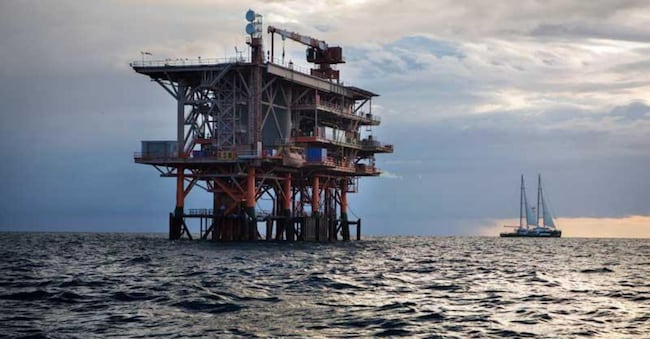
On the hydrocarbons front, then, after the annulment by the TAR of the Pitesai (the Plan of suitable areas), the granting of research permits and cultivation concessions is banned, guaranteeing, however, the continuation of activities already underway and the granting of new concessions only on the basis of permits already issued and those aimed at the "gas release", i.e. the supply of methane at subsidised prices to energy-intensive companies. The decree also weakens the prohibition to carry out hydrocarbon research, prospecting and cultivation activities in the sea areas bordering the coastal perimeter (the stop is reduced from 12 to 9 nautical miles).
The circular economy regulations
.The decree also contains a package of rules promoting the reuse of refined wastewater, bringing Italy in line with the rest of Europe. There is also a simplification of the rules for end-of-waste - governing the cessation of waste status. With the approval of the decree, there is also the go-ahead, in agreement with the Ministry of Infrastructure, for the adoption of an ad hoc plan to ensure the management and recovery of waste resulting from the construction of the Genoa breakwater.
Dissolution, more powers to governors
Finally, the provision contains measures to strengthen the fight against hydrogeological instability in order to ensure interoperability between existing databases. In addition, the powers of the Regional Presidents as commissioners are strengthened, also providing for a mechanism to revoke resources for interventions, financed by the planning fund, that have not achieved a certain level of planning.ad hoc commissioners.


