Walking with King Charles along the coast of Great Britain
Opened last March after 18 years of planning and construction, the King Charles III England Coast Path covers almost the entire island and is the longest organised coastal walk in the world

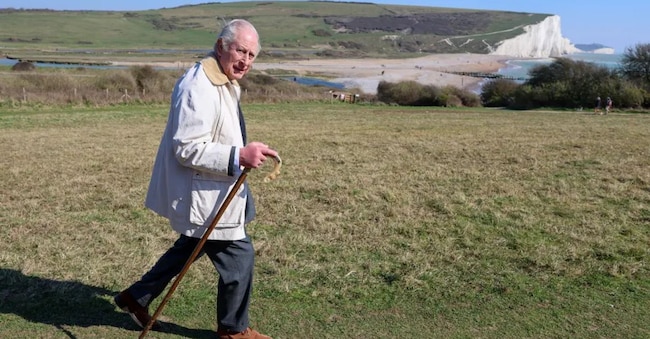
He strolled majestically along just two of the 4.328 km that make up the route, finishing with a photo in his Barbour jacket, with one of his favourite walking sticks in the background – very iconic, as they say – of the white cliffs of the Seven Sisters, overlooking the English Channel and at the heart of a new nature reserve. King Charles III is the namesake of the King Charles III England Coast Path, the world’s longest organised coastal walk, which covers almost the entire island of Great Britain. A full eighteen years have passed since the idea first took shape – at a time when Gordon Brown was in government – and, almost two decades and seven prime ministers later, the route was finally inaugurated by His Majesty himself on 19 March.
A long coastline
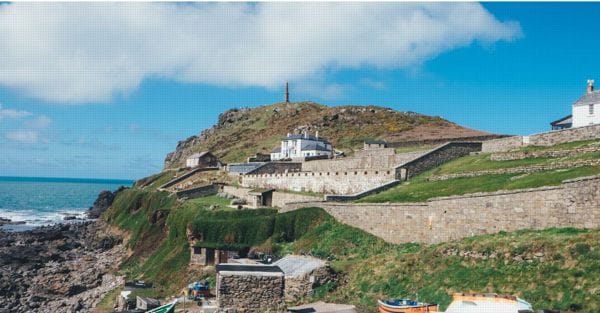
Existing routes, such as the Wales Coast Path, have been linked with new ones, such as the English Coast Path, whilst others, hidden away by the passage of time and the forces of nature, have been brought back to light. The aim is, over time, to complete the route – 80 per cent of which is currently open – and who knows, perhaps we will eventually be able to cover all 14,500 km that make up the entire British coastline.
What made the realisation of this ambitious route so complicated was the difficulty in accessing areas closed to the public, most of which are along the English coastline, as highlighted by the association “Right to Roam”, which was founded in 2021 following the Covid-related lockdowns and is committed to ensuring that at least the largest private estates are accessible to walkers. Scotland is far more advanced in this respect: most of its coastline is accessible thanks to a law passed in 2003, though its roots lie in much older customs.
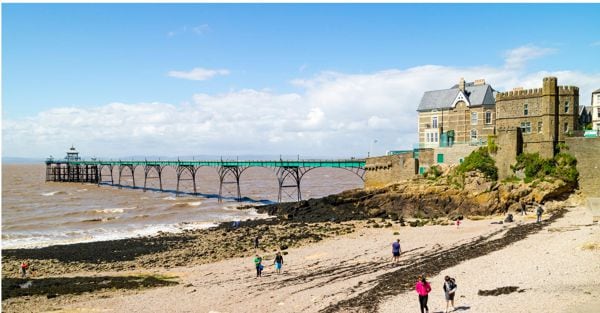
The King Charles III England Coast Path is divided into eight contiguous sections, interrupted only in Cumbria, in the western part of the island, where it is recommended to take the train between the towns of Cartmel and Furness. Each section offers the quintessence of Britishness, from imposing castles – or what remains of them – endless beaches and tranquil lagoons, birdwatching spots, abbeys and lighthouses, historic towns and fishing villages, farmland and Roman ruins, stately homes and battlefields.
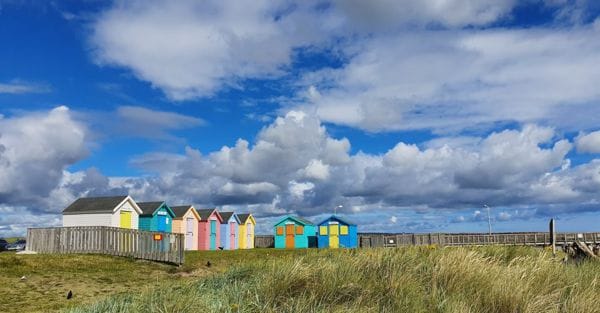
The Wash, where you can immerse yourself in nature
Some stretches are more isolated, almost wild, such as the one in the area of The Wash, the vast estuary in the eastern part of the island, where for tens of kilometres you are accompanied only by the cries of seabirds and the wind; others offer a certain degree of urbanity, such as the stretch of the Flyde Coast in Lancashire, with the old-world beaches of St Annes-on-the-Sea, founded as a seaside resort in the 1870s.