

Breast and ovarian cancer: one in ten is hereditary. Here's why genetic testing is important
For the Aiom Foundation, the association of oncology physicians, these examinations should soon be included in the new Essential Levels of Care

Key points
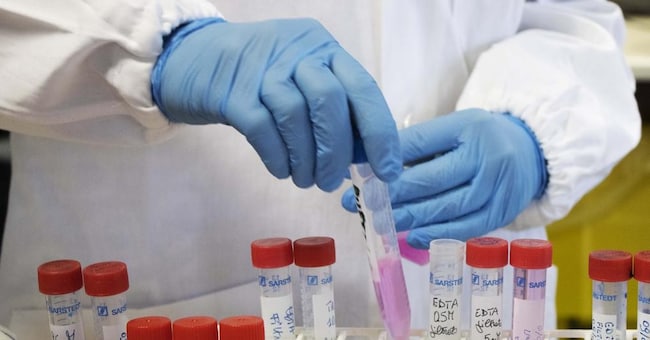
In Italy, one in ten cases of breast and ovarian cancer is hereditary. The two pathogenic variants BRCA1 and BRCA2 are responsible for 4,700 new cancers each year. For these patients, and their relatives, genetic tests to detect the presence of the alterations must be made available more quickly. However, more than half of the patients and their relatives complain that waiting lists are too long to access essential life-saving tests. In addition, for tests such as HRD (which tests whether cancer cells are deficient in repairing DNA damage) access and reimbursement is not uniform across the country, leading to serious inequalities. The risk of the two carcinomas occurring is indeed considerable. The presence of the BRCA1 mutation alone increases the risk of ovarian cancer 37-fold (6-fold for breast cancer).
Aiom: genetic testing must be part of essential levels of care
'Genetic tests are part of precision medicine and make it possible to promote cancer prevention,' emphasises Saverio Cinieri, Past President of Fondazione AIOM/Associazione Italiana di Oncologia Medica. 'Not only that, however, they offer predictive information about the possibility of response to specific anti-tumour therapies. BRCA genetic variants indicate greater sensitivity to treatment with PARP inhibitors. These are a class of drugs that intervene in DNA repair in cases of advanced ovarian cancer. These innovations, which are the result of scientific research, must always be ensured even if they only affect a small proportion of hereditary female cancers. BRCA genetic tests should be introduced in the new Essential Levels of Care whose update is currently being discussed and approved. We hope that, also thanks to this measure, the tests will soon be more accessible to all citizens'. The HRD test, on the other hand, is currently not included in the text of the new LEAs.
The awareness campaign
The AIOM Foundation has launched the 'I Tumori Eredo-Familiari' campaign with webinars, talk shows, surveys and other initiatives aimed at patients and citizens. The initiative is still ongoing and is carried out with the nonconditional contribution of AstraZeneca. There is a need for more information about these neoplasms,' adds Ornella Campanella, President and Founder of the aBRCAdabra association, which has just celebrated its first 10 years. Although the frequency may seem relatively low, intercepting carriers early on and offering them specific surveillance paths and, where possible, surgical risk-reduction strategies can really make a difference and beat cancer in time In 2013 these mutations became very 'famous' after actress Angelina Jolie's case was the focus of worldwide media attention. Years later, however, we are not always aware of a problem that is overall quite widespread and affects not only women but also men. BRCA is certainly an issue that involves entire families. In Italy alone there are over 380,000 men and women who are carriers of the two pathogenic variants
The need for psychological support
'Their number is more or less equal to the inhabitants of a city like Florence,' Cinieri continues. 'Not all of these people will actually then develop an oncological disease. Nevertheless, their state of health should be constantly monitored through preventive medicine examinations. With our information campaign we wanted to encourage a new culture of cancer prevention. This can no longer only come through healthy lifestyles and adherence to screening programmes. Qualified medical check-ups are also needed, and these must be expanded to reduce the impact of certain cancers on the national health service'. "Adequate psychological support must be provided to these people both before and after treatment," emphasises Gabriella Pravettoni, Professor of Psychology of Decisions at the University of Milan and Director of the Division of Psycho-oncology at the IEO. "Psychological distress affects more than 50% of all cancer patients, and living as a carrier of an oncological genetic alteration can be difficult, especially when prophylactic surgery is necessary". "Our company is very pleased to support the AIOM Foundation's initiative," concludes Paola Morosini, Medical Affairs Head Oncology of AstraZeneca Italy. "Correct information and adequate psychological support are two aspects that are not secondary in the fight against hereditary-family cancers. There is a strong need in our country for awareness initiatives dedicated to oncology

