
Online restaurant reviews in Italy are read for 13 minutes before booking
According to TheFork, 44% of Italians read at least 5 of them. Much less importance is given to the restaurant description card

2' min read
2' min read
Online reviews are increasingly important when choosing a restaurant. This is also demonstrated by the controversies periodically raised by restaurateurs on their veracity, while waiting for the bill presented by the government to clamp down on fakes, both fake reviews bought to boost likes, and defamatory ones.
However, the chaos of conflicting opinions that sometimes reigns on the web does not prevent users from spending a lot of time reading comments on restaurants before booking. Some data reiterating the importance of the topic comes from TheFork. The platform states that "to guarantee the utmost reliability of reviews and to protect restaurateurs", it "only allows customers who have actually booked and eaten a meal in the restaurant to leave a rating and/or a written review". In addition, "the new version of TheFork Manager - the management software dedicated to restaurateurs - integrates advanced generative Artificial Intelligence functions capable of analysing all the reviews received and returning a clear and immediate summary of strengths and areas for improvement".
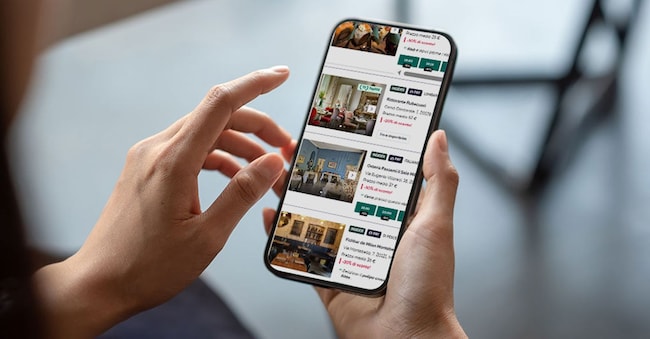
But what emerges from the data of the online booking bigwig (controlled by TripAdvisor)? Firstly that '44% of users read on average more than 5 reviews before making a restaurant reservation'. And then that 'the average time spent between reading reviews and confirming a reservation is significantly longer than simply visiting the restaurant card'. In Italy, '13 minutes from the app and 9.5 minutes from the website spent on the reviews page before booking, compared to 5.4 minutes from the app and 3.4 minutes from the web on the restaurant card'.
Based on the platform's internal data, in 2025 over 925,000 reviews were left in Italy (+32% in one year). The average rating for Italian restaurants remained high at 9 out of 10, confirming general customer satisfaction. The percentage of reviews containing a photo stopped at 10%, "confirming the fact," explain TheFork, "that written content remains the main component through which users express their experience.
Regarding the degree of activity of restaurateurs, only 14% of reviews received a response in 2025, a figure slightly up from 12% in 2024. According to TheFork, however, this is a valuable opportunity for dialogue. Three pieces of advice from the platform:
1. Respond calmly and courteously: even when the comment is critical, a professional and respectful tone makes a difference and shows attention
2. Personalise the response: addressing the customer by name and referring to details of the experience makes the response authentic and engaging.
3. Value constructive input: whether praising or criticising, respond by showing openness and willingness to engage.


