
UN: the world must prepare for possible digital disasters
The intense global interconnectedness that characterises our society, notes a report by the United Nations Office for Disaster Risk Reduction, has great benefits but also carries great risks

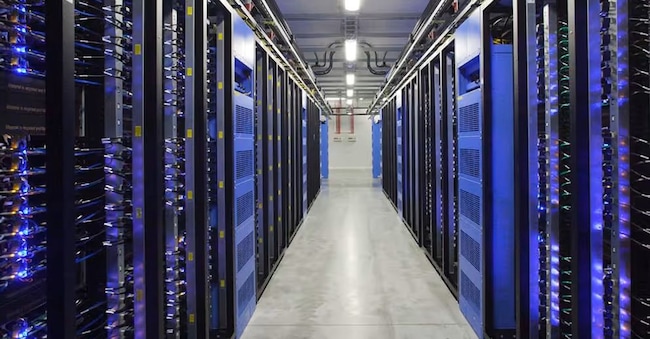
The risk of a digital disaster is not a question of if, but when. This is the warning of a report by the United Nations Office for Disaster Risk Reduction, produced together with the International Telecommunication Union. Blocked payments, hospitals deprived of data, silenced emergency alarms, collapsing power grids: the report describes a 'digital pandemic' scenario more plausible than we think, for which the world is not prepared.
Digital infrastructure failures could trigger cascading disruptions in several sectors and across national borders, the report says, just as damage to undersea cables, which carry over 99% of global internet traffic, could isolate entire regions for weeks, causing economic and logistical disruption.
Four infrastructure areas at risk
Underlying these risks is a dense network of interdependencies between systems, but also a geographical interdependency. The report identifies four key infrastructure areas: power grids, undersea cables, satellites and data centres; whose interconnections form the foundation of global digital systems. Today, the UN reports, some 5.5 billion people, nearly 70 per cent of the world's population, use the Internet, a fundamental medium for their lives: health systems, financial markets, public services and even elections are based on a complex network of digital infrastructure that now spans the globe.
This intense global interconnectedness, the report notes, has great benefits, but also carries great risks. The document therefore recommends strengthening international standards, maintaining analogue backup capabilities and improving coordination with regard to space systems, submarine cables and data centres. 'It would therefore be better to start preparing now,' said the head of the UN Office for Disaster Reduction, Kamal Kishore.

