
Rome Opera House: new partners and more private funding in 2026 (+10 per cent)
Following an exceptional year in terms of budget and productivity, the capital’s opera house is set to continue its growth trend in 2026 as well

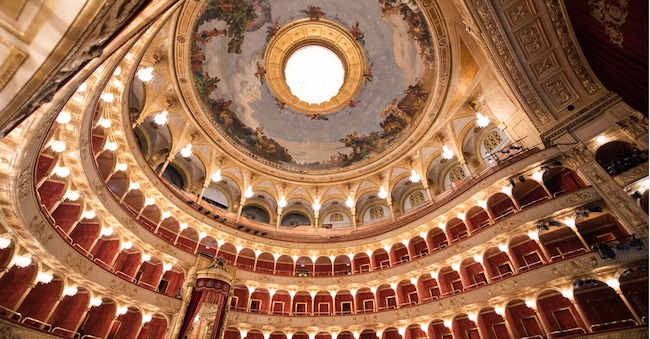
According to Francesco Giambrone, superintendent of the Rome Opera, there are three aspects which, above all others, deserve to be highlighted when discussing a theatre and which reflect its state of health: ‘A theatre must be as open as possible, as full as possible, and must have a sound financial position – a prerequisite for the two preceding factors.’
2025: A Year of Records
Well, the capital’s opera foundation closed its 12th consecutive financial year in the black a few weeks ago, with a profit of over 106,000 euros. The 2025 financial year was, moreover, an exceptional one, as the theatre benefited from additional public funding (+10.3 per cent) linked to the Jubilee, reaching a record production value of 66.8 million euros – an increase of 7.7 per cent compared with 2024 and 12.8 per cent compared with 2019. These extraordinary resources were matched by an extraordinary commitment, notes Giambrone, with the launch of special projects and a 17.8 per cent increase in the production of operas, ballets and concerts. The figures for theatre occupancy were very positive, averaging 91.4 per cent, and this was true not only for ‘cult’ classics such as Tosca and La Bohème, but also for a contemporary opera such as ‘Inferno’ (89.4 per cent).
Another figure that the superintendent is keen to highlight is the self-financing rate, which stands at 24.8 per cent of the total. Ticket sales totalled 14.2 million euros, up 3.5 per cent on 2019, although slightly down on the previous year (14.4 million) due to some delays in the summer programme. There were 282,000 paying spectators, in addition to around 25,000 people who attended the performances as part of the Opera Camion project, launched last year. In-house revenue also rose (by 12%) to over €5.5 million, which includes new funding from patrons and sponsors.
The Legacy of the Jubilee
This trend has continued into the current year: ‘We are seeing growing interest from private individuals, who are particularly active in social, educational and inclusive projects,’ explains Giambrone, such as the dance school run by Eleonora Abbagnato, which will celebrate its 100th anniversary in 2028 and has over 150 pupils. Similarly, membership schemes are also on the rise, with a 10 per cent increase in the first half of 2026, again in support of projects outside the traditional artistic programme, such as Fabbrica, the programme which, for the past ten years, has enabled new talent – already trained at conservatoires and academies – to break into the world of entertainment.
“Since last year, we have also been able to count on around thirty young patrons under the age of 30, who form part of our loyal audience and have decided to support the theatre with a special donation,” says the director, noting the increase in audience members under 35, who account for around 30 per cent of the total.

