
Packaging Decree: Senate gives the green light to new rules on single-use plastics – what’s changing
The packaging for a wide range of products – from fruit, vegetables and sauces to the toiletries used in hotels – must be biodegradable and compostable

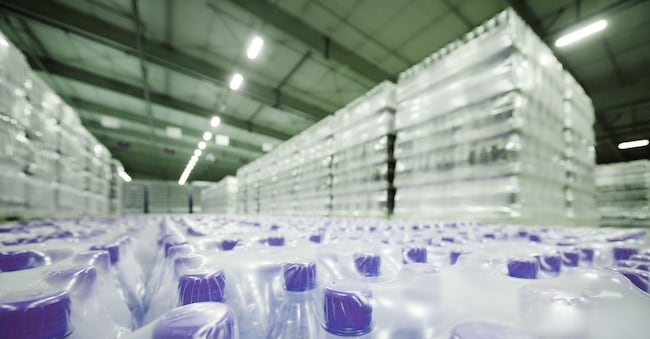
From fruit, vegetable and drink packaging to the cosmetics used by hotels, there are numerous products affected by the crackdown on single-use plastics contained in the packaging decree approved by the Senate. The measures have been in force since 8 August and aim to ensure that certain specific types of single-use plastic packaging placed on the market comply with criteria for biodegradability and compostability.
The objectives include protecting the environment and natural resources, reducing the environmental impact of single-use plastics, and promoting the circular economy. For the decree to become law, it will be necessary to wait for the Chamber of Deputies to give its final approval.
What’s new
The process of converting the decree-law into law – which had been approved at the Council of Ministers meeting on Tuesday 4 August and published in the Official Gazette on 7 August – began in the first half of September when the text was referred to the Environment Committee. The deadline for final approval is set for 6 October 2026.
More restrictive criteria
The text of the law tightens the criteria with which single-use plastic packaging must comply when it is placed on the national market for the first time. Specifically, in addition to complying with the formats and uses permitted by the EU legislation coming into force in February 2025 – the PPWR (Packaging and Packaging Waste Regulation) – packaging must be certified by accredited bodies as biodegradable and compostable in accordance with European standards.
The government’s aim is to comply with EU regulations without, however, harming the industry. The decree also aims to support industrial innovation and the competitiveness of businesses operating in the compostable bioplastics sector, as well as to promote technological and production innovation in the compostable packaging sector.

