

Paediatric care: first intensive care unit in Sardinia thanks to an agreement with Bambino Gesù
The Region signs an agreement with the Holy See's hospital-Irccs to fill the gap that forces families to make long and often risky but necessary journeys to receive care in the rest of Italy by the end of the year

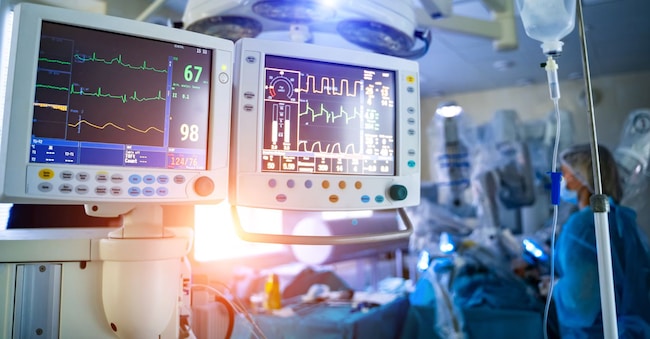
We are moving towards the activation of the first paediatric intensive care unit in Sardinia. The step was taken with the signing of an agreement between the Arnas Brotzu and the Bambino Gesù Paediatric Hospital in Rome. The agreement, in the capital, marks the start of a structured collaboration aimed at opening the operating unit in Cagliari by the end of the year.
The agreement with the Baby Jesus
Present at the signing were, for Brotzu, general director Maurizio Marcias, medical director Giorgio Carboni and paediatric anaesthesia director Alberto Lai. For the Bambino Gesù, president Tiziano Onesti and medical director Massimiliano Raponi attended. The agreement, emphasised by the Region, aims to strengthen, together with clinical care, scientific research and specialist training in paediatrics and high complexity. The new paediatric intensive and semi-intensive care unit, the first on the island, will make it possible to manage the most complex cases on-site, significantly reducing transfers out of the region and improving the timeliness of interventions, with significant benefits for young patients and their families.
The turning point for families
For the President of the Region's Health Department, Alessandra Todde, 'the realisation of the paediatric intensive care unit represents a strategic achievement for the regional health system. It is an objective,' she adds, 'that we have pursued with determination in order to guarantee Sardinian children and families adequate care without having to make complex and often risky journeys to other regions. This agreement testifies to our willingness to invest in skills, quality, and collaboration with the best national excellences'. The main objectives of the agreement concern the 'improvement of the care of paediatric patients with rare or complex pathologies, through shared paths and integrated specialist consultations', and then the 'development of joint clinical and translational research programmes, with particular attention to rare diseases, cardiology, and highly specialised disciplines'. In addition, there is the 'promotion of healthcare personnel training, with professional exchanges, refresher and advanced training programmes for doctors, nurses and technicians, and the strengthening of the use of telemedicine and digital technologies, to ensure continuity of care and reduce the need for transfers outside the region'.
Field training
From April, joint working groups will be set up to define operational protocols, clinical priorities, and joint research projects. "It is also planned to create a calendar of training activities and professional exchanges through which anaesthetists-resuscitation staff and nursing staff at Brotzu - continue the Region - will be involved in specialised training courses at the Bambin Gesù, with periods of training in the field to acquire advanced skills in the management of critical paediatric patients". However, that is not all. 'At the same time, the centre of excellence in Rome will guarantee not only initial training support, but also direct support in Cagliari:' the Region emphasises, 'a group of medical and nursing professionals will be present during the start-up phase of the new unit, ensuring high standards of safety and quality of care'.

