

Pancreatic cancer: Europe gives initial approval to a drug that doubles survival rates
However, the path to bringing this medicine to European patients – and to Italian patients in particular – does not currently appear to be plain sailing.

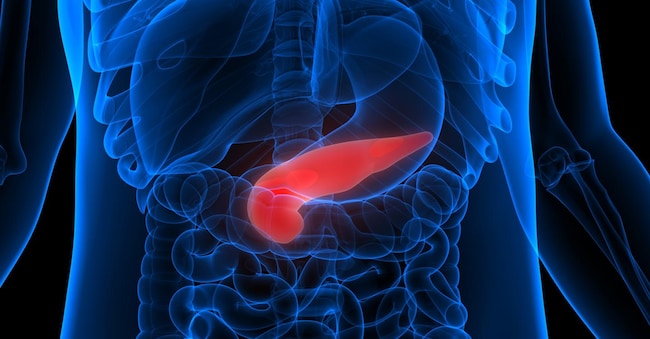
Daraxonrasib – the drug that doubles survival in metastatic pancreatic cancer – is also racing through the regulatory process in Europe. Following the FDA’s approval at the end of August, the EMA’s Committee for Medicinal Products for Human Use (CHMP) issued a positive opinion on 15 October, following an extremely rapid (less than 150 days) yet rigorous assessment process. The CHMP’s approval therefore paves the way for this drug’s arrival in the European Union, after it made headlines because some patients had undertaken ‘journeys of hope’ to the US to receive it, where daraxonrasib was approved last summer. However, other problems are already looming on the horizon.
Daraxonrasib (marketed under the trade name Rasonque) has a wholesale list price in the United States of $39,800 for a 30-day course of treatment. On an annual basis, the total list price amounts to approximately $477,600–$480,000.
Once final authorisation has been granted by the EMA, within European healthcare systems, the final price will be negotiated by individual national governments. But there will certainly be no dramatic price reduction, unless the company subsequently decides to apply it in the US as well. In short, the arrival of daraxonrasib in Europe could become a case in point illustrating the consequences of Donald Trump’s pharmaceutical policy on medicine prices – the Most Favoured Nation (MFN), which aims to bring drug prices in the United States closer to the lower prices charged in countries with comparable per capita income.
In other words, the manufacturer might wish to wait before marketing the drug in countries that will seek to negotiate lower prices, precisely to prevent these from becoming an unfavourable benchmark for the prices charged in the United States. In short, there is a real risk that European patients will have to wait longer and that the EMA’s approval is certainly not the final hurdle to overcome.
But there is also another potential obstacle. Revolution Medicines is a small Californian company (based in Redwood City) specialising in precision oncology, which saw its share price soar last August, following the FDA’s approval of daraxonrasib, transitioning from a research-based company to a commercial one. It is therefore experiencing very strong growth, but we are still talking about just 1,100–1,300 employees – double the number it had just a couple of years ago. Its production capacity may therefore not be sufficient to cope with a potential sharp rise in demand. This would not only limit the availability of daraxonrasib on the market but would also significantly restrict its availability for any compassionate use.

