

Pancreatic cancer: the challenge of early diagnosis and new prospects for treatment
Research is the most important resource: it is essential for speeding up the diagnosis of the disease and for finding targeted treatments and tools that enable us to better understand its biological characteristics

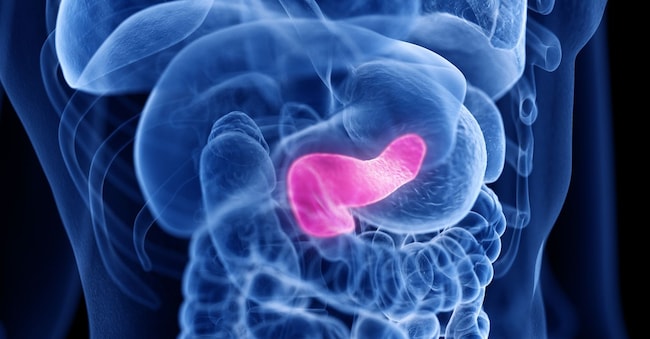
In Italia, according to data from the Italian Association of Medical Oncology (Aiom), an estimated 13,600 new cases of pancreatic cancer were recorded in 2024; this disease remains, even today, one of the most complex challenges in oncology. The difficulty in detecting it at an early stage makes it particularly important to take action on two fronts: identifying those who may benefit from screening and ensuring that patients have timely and equitable access to high-quality care pathways. World Pancreatic Cancer Day, observed on 19 November, is an opportunity to raise awareness of this disease. Symptoms such as abdominal or back pain, unexplained weight loss, the sudden onset of diabetes, or jaundice (yellowing of the skin and the whites of the eyes) may be common to other conditions and are not always recognised promptly. Listening to the signals your body sends and being mindful of your own health is very important – not to cause undue alarm, but to encourage discussion with your GP should symptoms persist.
The challenge of early diagnosis
One of the main challenges relates precisely to early diagnosis. At present, there is no recommended screening programme for the general population; however, we know that some people are at greater risk of developing the disease, either due to a family history or the presence of specific genetic mutations. Identifying these individuals and enrolling them in targeted surveillance programmes at specialist centres – based primarily on MRI and endoscopic ultrasound – can enable the detection of any abnormalities at a stage when treatment options are more extensive. This is an area in which research is investing heavily, including through the integration of advanced diagnostic methods and the study of biomarkers.
At Humanitas, the Panc-Genobio project, funded by the PNRR, is investigating the integration of echoendoscopic monitoring and blood biomarker analysis in high-risk individuals. The aim is to determine whether this information can help with the early detection of pancreatic abnormalities and the personalisation of screening programmes.
Quality of care
Alongside diagnosis, the quality and organisation of care are key factors. Pancreatic cancer requires highly specialised expertise and decisions involving various disciplines. This is the value of Pancreas Units: centres where gastroenterologists and endoscopists, surgeons, oncologists, radiologists, radiotherapy specialists, pathologists and other specialists work together to determine the most appropriate course of treatment for each patient. A multidisciplinary approach means assessing the disease from complementary perspectives, making decisions collaboratively and ensuring continuity between diagnosis, treatment and follow-up.
In recent years, the tools available to treat the disease have also improved. Surgery remains a key option when the tumour can be removed, alongside chemotherapy administered before and/or after the operation. In inoperable cases, chemotherapy plays a central role, whilst radiotherapy may be used in selected cases, particularly for local control of the disease or of symptoms such as pain. In some patients, the molecular characteristics of the tumour may also enable the identification of targeted treatments within the context of clinical trial protocols.

