
New EU executive, committees give green light to Ribera and Fitto - Video / Meloni
Teresa Ribera's appointment had been opposed by the EPP, which had asked for a clause to be inserted to give its OK
from our correspondent Beda Romano
 Aggiungi Il Sole 24 Ore
ai preferiti su Google
2' min read
2' min read
BRUSSELS - On Wednesday evening, the Popular, Socialists and Liberals found a political agreement with which to support the new European Commission, still chaired by Ursula von der Leyen. Later in the night, they gave the go-ahead to the seven commissioner candidates who had remained in doubt in recent days, including Teresa Ribera and Raffaele Fitto. The new college of commissioners will be put to the vote at the plenary session on Wednesday 27 November in Strasbourg. If successful, the new EU executive will take office on 1 December.
The three centrist and pro-European parties negotiated and approved a two-page programme that traces Mrs von der Leyen's July policy speech. On the sensitive environmental front, it reads among other things: 'We will promote a business-friendly environment, reduce administrative burdens and bureaucracy without compromising agreed policy goals such as the Green Pact.
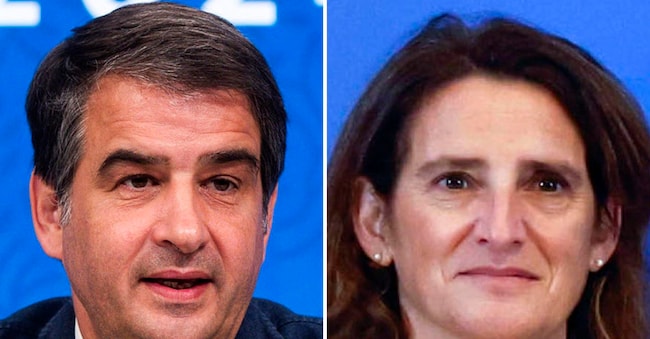
In recent days, political forces had taken seven commissioners, including six vice-presidents, hostage in the search for a political understanding on some particularly controversial names. Complicating matters were Spanish socialist candidate Teresa Ribera (competition), Italian conservative candidate Raffaele Fitto (cohesion), and Hungarian nationalist candidate Olivér Várhelyi (health).
As mentioned, on Wednesday evening, the parliamentary committees negotiated their final go-ahead for the candidates in maybe, submitting proposals to amend some delegations, as a compromise.
The Ribera node
.To the confrontation between Socialists and Populars on the appropriateness of appointing the personalities just mentioned, a purely Spanish political knot was added. Ms Ribera, currently Minister for Environmental Transition in the Sánchez government, was targeted by the Partido Popular, in opposition in Madrid, but in power in Valencia, a region hit by a dramatic cloudburst in October. In fact, Spanish domestic politics helped slow down the approval process of the new Commission.


