
Pasta with legume flours, purchases up 23%
YouGov: purchase frequency of pasta and new generation products increases, but annual expenditure per household falls by almost six per cent

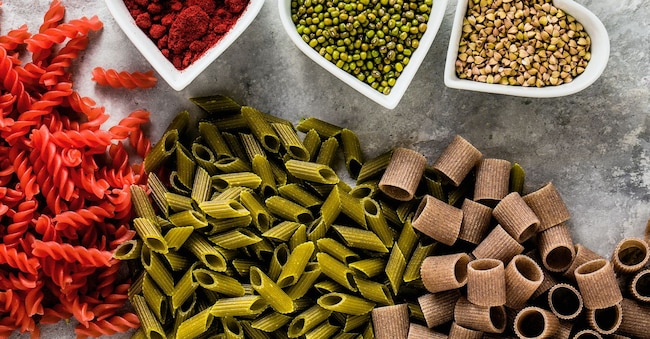
Pasta is undoubtedly an iconic dish of the national cuisine, which Italians can hardly give up. It has certainly been one of the foodstuffs that has most resisted the inflationary flare-up of recent years in terms of quantity purchased. But even in this sector inflation has had some effect, probably combined with a greater return of promotions in the large-scale retail trade.
According to an elaboration by YouGov, in fact, even though almost all families buy pasta at least once a year (96.8%) "in line with the main anti-inflationary attitudes and the consequent fragmentation of spending, the average frequency has recorded 21.9 acts of purchase (+3.5%) in the last year". This change in spending habits has, however, at the same time"decreased the average annual expenditure per household to around EUR 49 (-5.8% compared to 2024)"
In terms of changing purchasing habits, according to the YouGov shopper panel of almost 17,000 households in terms of penetration variants such as special formats (reaching 76% of households compared to 74.8% in 2024) and those made with whole wheat, spelt and kamut flours are growing. In addition, "although still relatively limited, the number of consumers of vegetable-based pasta, i.e. based on legumes and cereals, is growing strongly (+23%), as is the number of consumers of gluten-free pasta (+7.2%) or wholemeal (+5%)," say YouGov, according to which "these types meet new nutritional needs and variety, thanks to the diversification of the offer that stimulates consumption.
But who are the consumers of these slowly emerging propositions? And what are the reasons driving purchases? "The analysis of the high purchasers (which corresponds to the highest 50%, representing 4.8 million families for wholemeal pasta and 1.4 million for healthy pasta) of the two segments of wholemeal pasta and vegetable or healthy pasta that does not fall into the wholemeal or gluten free category shows the preference of seniors (over 55, with adult children) for the products of the former, while mature purchasers (45-54 years old, with teenage children) are oriented towards those of the latter".


