
Pixel 11 Pro XL, putting its AI to the test: what can Gemini actually do on the smartphone?
From smart dictation to algorithm-selected photos, AI is starting to prove its worth, but there are still limitations in terms of power and reliability. Our test

-U03876124055PIu-1440x752@IlSole24Ore-Web.png?r=650x341)
With the Pixel 11 Pro, Google is attempting to answer a question that is less philosophical than it seems: what is the real purpose of artificial intelligence in a smartphone? The best answer is called Rambler. It is Gboard’s new dictation feature, powered by Gemini. It doesn’t just transcribe: it removes filler words, corrects punctuation and grammar, and amends certain sentences whilst you’re speaking. The result is often a message that’s almost ready to send. Very useful for those who jot down thoughts and ideas. Among the most successful apps on the new Pixel is Magic Capture. You record a scene and Gemini automatically selects interesting photos and clips, correcting cropping and blurring. It makes sense for photos of children, pets and sports: instead of trying to catch the decisive moment, you can simply pick the next frame. It works, provided someone is still holding the phone steady. The AI hasn’t learnt how to hold the phone yet.
The automatic translation feature within apps such as WhatsApp and Instagram is also excellent. Proactive Assistance is even more ambitious. Gemini analyses the context of messages, your calendar and linked services, and can suggest that you check an appointment, look up flight details or book a restaurant. When it works, it’s really handy. The problem is that ‘when’: many requests only work with very precise phrasing. It seems like a digital butler that understands natural language, but every now and then it demands a password. So, whilst it is impressive, it requires a thorough understanding of the privacy terms and a subscription to Google AI Pro (a few months’ access are already included with the purchase of the smartphone). If you want to experience an AI that acts proactively, you’ll need to spend a bit of time reading through the permissions it asks for. The data is ours; it’s up to us to decide whether it’s worth it.
And then there’s the smartphone.
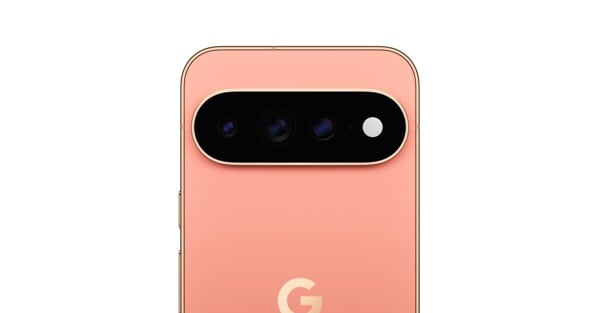
The Pixel 11 Pro XL remains, above all, one of the best Android camera phones. The 48-megapixel 5x telephoto lens performs impressively even at 10x zoom, Night Sight is faster, and the new Camera Looks features directly influence computational photography – they don’t simply apply a filter at the end. The 6.3-inch LTPO display reaches 3,600 nits, and the build quality and design have now reached the level of a true top-of-the-range device. The limitations become apparent when Google pushes the boundaries. The AI-reconstructed 120x zoom can invent edges, text and details. And the Tensor G6 prioritises AI and efficiency: in pure performance benchmarks, it lags behind the fastest Snapdragon chips. Google claims better battery life, and in real-world use battery life does improve, but charging remains less rapid than that offered by several Android competitors. Finally, there’s the price: the Google Pixel 11 Pro XL starts at €1,399 for the 256 GB version. That’s a high price – bear in mind that it has 12 GB of RAM. These days, memory is a luxury. For this price, Samsung, Apple and Chinese brands often offer more powerful hardware. Google, however, is selling something else: a smartphone in which AI is beginning to show what it’s capable of. It doesn’t always work. The hardware’s performance probably still needs fine-tuning. When it does, though, you finally realise why having AI in your pocket is something truly new and useful.


