
Plastic crisis: businesses say, ‘Waste collection is at risk’
The latest appeal from Lazio: storage space is running out

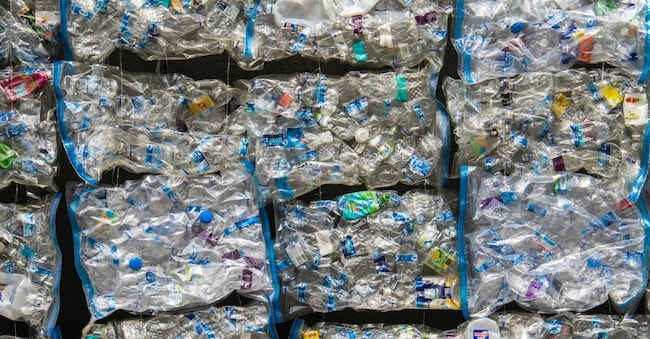
The latest warning comes from Unindustria, the business association for the Lazio region: “The plastic crisis in our region threatens to bring the entire recycling supply chain and the urban waste collection service to a standstill,” emphasises Gianni Mannucchi, chair of Unindustria’s Environmental Services section. “The main cause is the lack of outlets for recycled material, which is being undermined by competition from low-cost virgin raw materials imported from abroad, thereby reducing the storage capacity of recycling plants. In Lazio, this crisis comes on top of the problems that have been affecting other waste streams for months, including those from separate collection, for which there are insufficient processing facilities. This results in build-ups, delays and higher costs due to the need to send waste outside the region, with a further environmental impact linked to transport”, adds Mannucchi.
For some time now, the industry has been reporting a decline in plastic processing capacity, which began upstream – with recyclers – and is now having consequences visible throughout the system and has caused storage centres to become full. The figures presented at the plastics roundtable on 28 July indicate a loss of processing capacity of around 12,000 tonnes per month over the past year (the 2024 ISPRA census recorded 384 plants, representing a sector capacity of 953,198 tonnes). The regions most affected are Campania, Lazio, Puglia, Marche, Emilia-Romagna and Sardinia, with reports also coming in from Piedmont and Veneto. The minutes of the meeting state that the situation regarding plant shutdowns ‘stems from causes that are both accidental (fires) and linked to a lack of market outlets or delays in authorisation/refurbishment’. Fires over the summer affected several recycling and storage plants. At the meeting in late July, the Ministry of the Environment, precisely to avoid saturation – with a consequent halt to collection – and the risk of fires, had proposed, amongst other immediate measures, regional initiatives to increase and rationalise storage capacity, as well as temporary measures by consortia and companies to mitigate the halt in collection.
Meanwhile, on 16 September, Corepla – the national consortium for the collection, recycling and recovery of plastic packaging, which has been at the forefront of managing the emergency – was placed under judicial administration by the Court of Milan for one year for negligently facilitating the interests of a member company (Synextra of Corsico, Milan), which is facing criminal proceedings for offences relating to the management of plastic waste. According to the findings of the investigation, the consortium’s management failed to carry out effective and adequate checks to mitigate the risk of unlawful waste management. The ruling states that ‘Corepla did not effectively monitor the waste management supply chain, verifying the actual operational capacity, organisation and functioning of Synextra Spa and, more generally, of the sorting and storage centres’, and failed to take ‘timely and adequate measures’ to eliminate or mitigate the risk of unlawful waste management.
Following the ruling by the Court of Milan ordering judicial administration – a measure which provides for the appointment of an administrator to work alongside the Consortium’s governing bodies without replacing any of them – Corepla has reiterated that it is entirely uninvolved in any unlawful acts and that its conduct has been above board, carried out in strict compliance with the regulations.
The consortium pledges its full cooperation with the authorities and ensures the smooth and uninterrupted continuation of all activities. The primary objective remains to serve the circular economy sector and the wider community, whilst reaffirming its full commitment to transparency and efficiency.


