
Plastic recycling emergency: stopped plants threaten recycling collection
Plastic recycling industry announces plant shutdowns, jeopardising waste management and separate collection in Italy

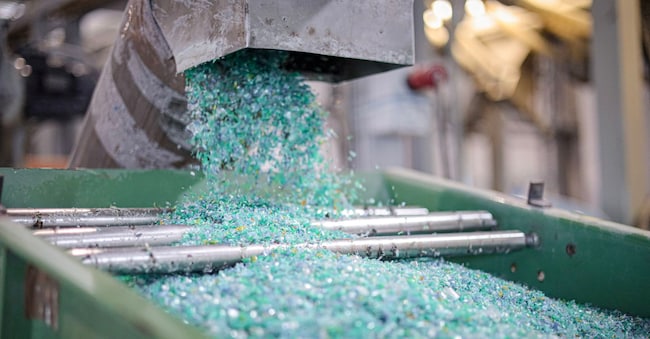
"In view of the lack of urgent measures to save the sector, the private recycling industry, after years of survival, is surrendering: as of today we are shutting down the plants". This is how Walter Regis, president of Assorimap - the national association of plastics recyclers and reclaimers that represents 90% of the supply chain - announces the extreme measure: "We are doing it with a sense of responsibility, aware of the repercussions on the entire country, but continuing to produce with unsustainable losses is now impossible.
According to Assorimap, the meetings - first at the Ministry of the Environment on 8 October and then at the Ministry of Made in Italy on 23 October - did not serve to activate the necessary actions to save the sector.
Missing measures
'It has been almost two months since the last appeal to the minister Pichetto Fratin and more than a month since the table convened by the Ministry of the Environment with the promise of a new operational convocation by the beginning of November, which has not happened to date,' Regis recalls. 'What we denounced in October was not a vain warning, nor is this announcement to stop the plants. We are facing a national emergency that we cannot face alone'.
The blockade of private recycling plants will lead to an immediate domino effect, paralysing the national waste system.
Risk for collection
"The yards of the storage and sorting centres are already overloaded and at the permissible limits. If we recyclers stop processing batches altogether, the sorting system will come to a standstill within a few weeks. At that point, there will be no more space to deliver the plastic collected separately by citizens,' Regis explains.


