Playstation turns 30 and provokes the console market
With its Ps5, it firmly leads the market for next-generation consoles. But something may have changed

5' min read
5' min read
PlayStation is not just a console, but a cultural phenomenon that has redefined gaming and entertainment. It turned 30 this year, with its Ps5 firmly leading the next-generation console market. It has withstood the genius of Nintendo at the time of the Wii, the advent of cloud gaming and smartphone gaming, and has even so far meekly survived the comparison with the giant Microsoft, which after its acquisition of Activision Blizzard has become the world's largest video game publisher. The coming years, however, are likely to be particularly challenging. As gamers say: 'the bar has been raised and there is a new boss to face, different from the others and more powerful'. Let's find out who this boss is by retracing the steps of the most beloved console ever.
Playstation innovations.
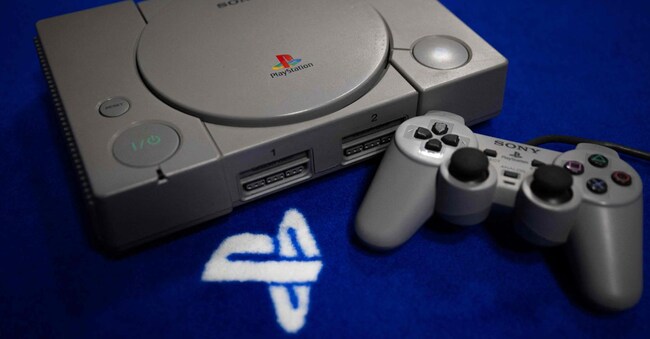
In 1994, Playstation (Ps1) was a revolutionary machine that made CD-ROM games commercial, surpassing the cartridges of rival consoles. Graphics took a quantum leap forward. Sony thus managed to beat the champions of the time (Sega and Nintendo). It was the ambition of visionary Ken Kutatagi that triggered a technological race that would see home consoles innovate important pieces of consumer electronics.
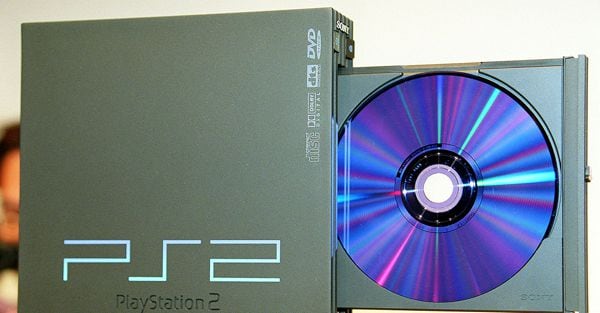
Six years later came Playstation 2, the best-selling console of all time with over 160 million units. To that generation of consoles belong memorable games such as GTA: San Andreas, God of War, Shadow of the Colossus. With Playstation 3, however, came the first problems. The hardware architecture is powerful but complex, the price is criticised for being too high. On the Ps3, however, titles came to life that went down in the history of video games such asThe Last of Us, Uncharted, and LittleBigPlanet. Playstation becomes the machine to find quality and depth.
Sony managers' approach to the internet and online services remains timid. The PSN (PlayStation Network) for multiplayer gaming was introduced without much conviction. Yet the signs of change are already there. The traditional physical market of video games sold on physical media is beginning to feel the loss of the online. The first to be affected are video game shops and chains. Something is creaking, someone is beginning to fantasise about cloud gaming, about the possibility of selling and playing through online connections independently of hardware. In short, someone is beginning to theorise the end of consoles.
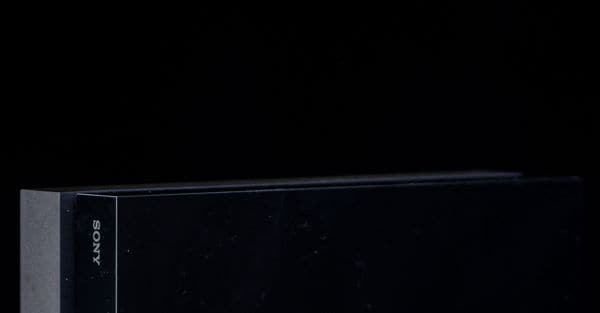
We arrive in 2013 at PlayStation 4, which has the merit of being a gaming machine at the service of developers. Exclusives such as Horizon Zero Dawn, Bloodborne, God of War and Spider-Man were born.