
Playstation price increase: Will video gaming become a luxury?
Increasingly expensive consoles, video game model changes: PlayStation leads repricing

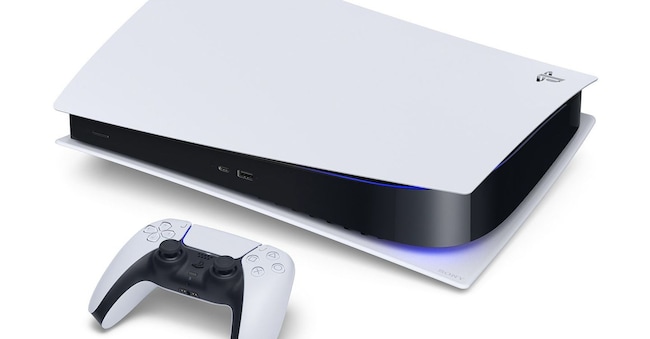
The console market is going through a phase of structural repricing. After Microsoft, which in May 2025 revised Xbox prices upwards - raising the Series X standard to EUR 599 in Europe: around EUR 100 more than the launch price - Sony, too, decided on a price increase and made the new price lists for the European and North American markets official. As of 2 April, the PS5 Standard will cost €649.99, the Digital Edition version €599.99, and the PS5 Pro will go up to €899.99. Also increasing is PlayStation Portal, the remote gaming device, now set at €249.99. Increases that call into question one of the pillars on which the industry has built its growth over the past thirty years: the ability to tap into a mass audience through a relatively affordable hardware cost.
more expensive RAMs and an increasingly less 'mass market'
The PlayStation case is emblematic. Launched in 2020 at a list price of €400 for the Digital version and €500 for the one with an optical drive, under normal conditions it would now be in the downward phase of its price curve, the one in which price lists historically fall in preparation for the next generation. Instead, almost six years after its release, the entry point in the PlayStation range costs around 30 per cent more than when it debuted. A threshold that until a few years ago seemed hardly sustainable for a home console.
Sony justified the decision by the 'continuing pressures on the global economic landscape', attributing the price increases to rising production costs related to the price dynamics of memories and other critical components. The phenomenon is not unique to the Japanese group. The upward pressure on hardware prices is emerging as a widespread trend in consumer electronics.
The structural cause, which affects the entire value chain - including smartphones and PCs - lies in the price explosion of DRAM and NAND flash memories, essential components for consumer devices as well as for the infrastructure needed to train and infer artificial intelligence models. The rush to invest in AI has reduced the availability of these chips for other manufacturing segments, generating cost pressures throughout the value chain. This is compounded by supply chain cost inflation and the impact of US trade tariffs. Sony confirmed in February 2026 that it has sufficient stock for the full year, but has started negotiations with suppliers to secure longer-term supplies.
The increases decided by the Japanese company have immediate repercussions for the consumer: the release of GTA 6 is expected at the end of 2026 and those who want to play it at launch on consoles will have to buy a PS5 at the new prices. But they also open questions about PS6's launch price. According to Bloomberg, Sony is considering postponing the next console's debut to 2028 or even 2029, compared to the previously assumed 2027 window. The PS6 is expected to integrate around 30 GB of memory, almost double the PS5's 16 GB. At current prices, that component alone could add between $150 and $200 to production costs. Several analysts believe that a EUR 1,000 threshold for next-generation consoles should not be ruled out.

