
More than 4 in 10 Italians do not read; print books are becoming increasingly popular compared to e-books
Women are more likely to do so than men, and this gap is evident across all age groups

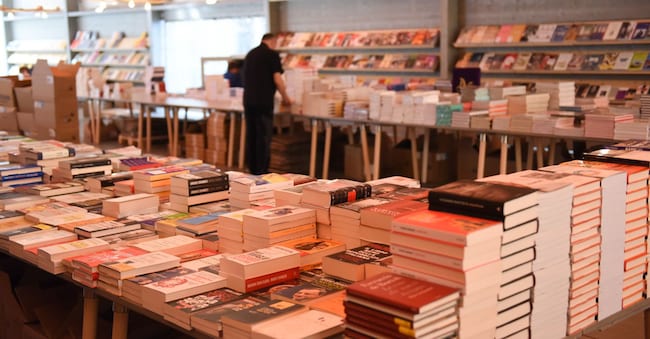
More than 4 in 10 Italians do not read books, whilst 57.1 per cent of people aged six and over say they have read at least one book in the last 12 months. According to Istat’s survey ‘Citizens and Leisure Time’ (conducted in 2024), 51.9 per cent of children up to the age of five read, colour in or leaf through books and picture books every day outside school hours. According to the report “Aspects of Daily Life”, last year 14.9% of people aged six and over visited a library at least once, a figure that has remained stable compared with 10 years ago (15.1%). The analysis by age shows that reading is particularly widespread among young people aged 11–14, the age group with the highest figure (78.9%), whilst this habit tends to decline progressively with age (37.5% among those aged 75 and over).
Gender differences
There is a marked gender difference in book reading. Women are in fact more likely to read than men: 62.6 per cent compared with 51.2 per cent. This gap is evident across all age groups, increasing progressively from adolescence through to adulthood, peaking among those aged 45 to 54 (+17.4 percentage points), before narrowing in subsequent age groups. The trend over time shows a gradual decline in the overall proportion of book readers, falling from 60.0% in 2000 to 57.1% in 2024. The decline affected both men and women (among men, the proportion of readers fell from 54.9% to 51.2%; among women, from 64.9% to 62.6%).
Regional inequalities
There are significant regional disparities. In the Centre-North, over 60 per cent of the population read, compared with 47 per cent in the South. Education and income also have a significant influence on reading habits: people with higher educational qualifications read much more than those with a lower level of education, at a ratio of 3 to 1. Similarly, when looking at income quintiles, the proportion of readers rises from 43.9 per cent in the poorest households to 72.5 per cent in the wealthiest.
Print and digital
In recent years, digital reading has become more widespread in Italia too, but printed books continue to play a predominant role. According to Istat, in 2025 there were over 20 million readers of printed books, accounting for 36.9 per cent of the population aged 6 and over and 88.7 per cent of leisure readers. By contrast, nearly 6 million people have read e-books or books online (10.7 per cent of the population and 25.7 per cent of readers), whilst audiobooks, although showing strong growth compared with 2018, still account for a limited share: around 1.4 million people, accounting for 2.5 per cent of the population. Despite the gradual spread of digital formats, reading habits remain strongly associated with print. Following the slight increase recorded during the pandemic, a decline in digital reading has been observed since 2022. In 2025, more than seven in ten readers (71.5 per cent) read only printed books, compared with 10.2 per cent who use only e-books or online books, and just 0.6 per cent who listen exclusively to audiobooks. Conversely, the proportion of ‘hybrid’ readers – those who alternate between different formats – is growing, albeit slowly (17.6 per cent).


