
Poland: who is Karol Nawrocki, the historian, amateur boxer, nationalist and anti-EU
He won the presidential election by cultivating a tough guy image during the campaign, posting videos in shooting ranges and boxing rings

2' min read
2' min read
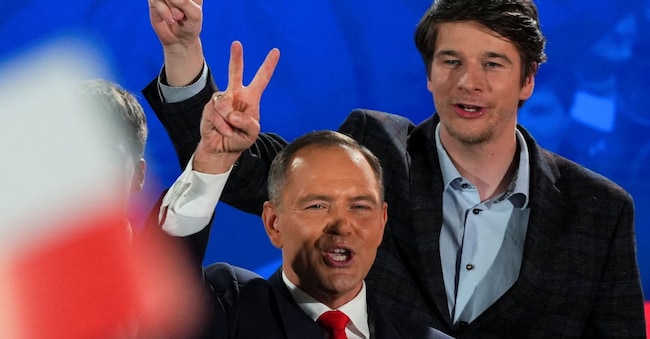
Karol Nawrocki, the conservative historian who won Poland's presidential election, cultivated a tough guy image during the campaign, posting videos of himself in shooting ranges and boxing rings. While his liberal opponent Rafal Trzaskowski flaunted his European credentials, Nawrocki met Donald Trump at the White House and received the US president's endorsement for his candidacy for the highest office in Poland.
According to the final result of the electoral commission, Nawrocki won the election with 50.89% of the vote.
Unlike other Central European Eurosceptics, such as Slovak Prime Minister Robert Fico or Hungary's Viktor Orbán, Nawrocki however supports the provision of military aid to help Ukraine repel the three-year-long Russian invasion.
But he has stated that, if elected, he will oppose Ukraine's membership in NATO, a position that seeks to harmonise with declining support for Ukrainians among Poles, who have hosted over a million refugees from across the border. His supporters in the Law and Justice (PiS) party had supported Kiev's accelerated EU and NATO membership during his term until the end of 2023.
Nawrocki's critics argue that he has fuelled Polish discontent with Ukrainian refugees at a time when the far right is highlighting the problems of immigration, cost of living and security.

