Raw materials

Pomace oil, at the crossroads between food use and bioenergy source

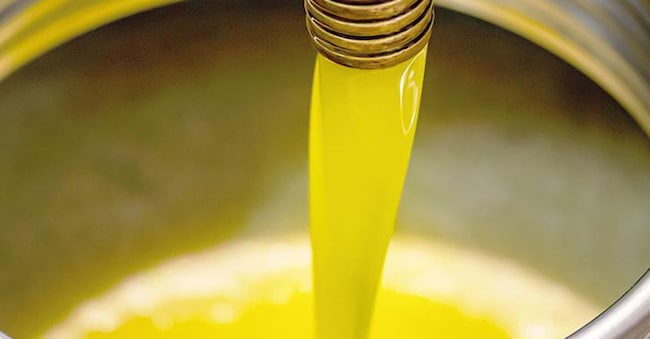
Virgin pomace is a by-product of olive processing in olive mills, used to produce edible oil and biomass. Assitol calls for 'food first', i.e. pomace should only be used for energy if it cannot be used for food

by Giorgio dell'Orefice

3' min read

Translated by AI
Versione italiana

3' min read

Translated by AI
Versione italiana

It is not only photovoltaic panels on farmland that ignite the contrast between food and non-food in agriculture. The contrast between food and energy production is in fact experiencing a new chapter all within the olive oil sector.

At the centre of the controversy is not the production of extra virgin olive oil, but the production of olive pomace oil. Virgin pomace is a by-product of olive processing in mills, used to produce edible oil and biomass, enhanced by the work of companies that process it and extract an oil from it for use as food. Of olive pomace oil in Italy an average of 20,000 tonnes is produced, 30,000 tonnes are imported and 40,000 tonnes are exported.

Loading...

Pomace oil is in fact used in frying on an industrial scale, but above all it is exported and used as a forerunner (thanks to its more neutral taste) on new foreign markets, primarily in Asia, which are not yet accustomed to the taste and flavour of extra virgin olive oil. This production and the related supply chain that gravitates around pomace factories (widespread in Italy, especially in Apulia, Basilicata, Calabria and Sicily) is now in serious difficulty.

Since the 2000s, in fact, support for agro-energy and incentives to use products from agricultural matrices for bio-energy production have proliferated. This includes pomace oil, which is now largely absorbed by agro-energy production, putting pomace factories and their workers in serious difficulty.

According to data from Assitol (the association of Italian olive oil industries), as of 2018, pomace processed in pomace factories has gone from 85% of the total to a share of 50%. This is a clear sign of the strengthening of the energy destination. For these reasons, Assitol, has proposed various administrative appeals with the aim of bringing the pomace oil market back into balance.

In the background, as interested observers, olive growers who find new profitability thanks to the agro-energy incentives or, in any case, thanks to the presence of a remunerative alternative, can sell their pomace to pomace factories at a higher price. "Finally, last July, two sentences of the Council of State confirmed the heavy distorting framework created since 2012, but above all, the magistrates in the two pronouncements reiterated the need to follow the 'food first' principle, which states that virgin pomace can be used for energy purposes only after the responsible authorities have ascertained 'that no non-energy uses are possible'. In short, virgin pomace can be incentivised, but giving absolute priority to food use.

Our objective,' added the president of Assitol's olive pomace oil group, Giuseppe Masturzo, 'is to guarantee free market conditions for our sector, which is historically deep-rooted in the south of Italy. We immediately declared our willingness to collaborate with institutions and biomethane producers to define a reasonable transition period, with the aim of avoiding negative repercussions for the olive-oil sector. To date, however, no one has called us in, even if only to listen to our reasons.

Di fatto, la strada verso una normalizzazione del mercato della sansa si sta rivelando tutt’altro che in discesa. «Nell’attesa di avviare un dialogo costruttivo – ha proseguito Masturzo - è di pochi giorni fa il tentativo di inserire un emendamento nel Dl Terra dei fuochi, poi dichiarato improponibile, col quale sarebbe stato lo stesso produttore di biometano, destinatario degli incentivi, a certificare che, in relazione alla sansa vergine da lui usata, non siano stati possibili usi non energetici. In sostanza, il controllato avrebbe finito per fare anche di controllore di sé stesso escludendo dalle verifiche sia l’autorità pubblica che il Gse». «Chiediamo alle istituzioni – ha concluso il presidente del Gruppo Sansa - che la normativa sugli incentivi alle sanse vergini recepisca, in pieno e nella sostanza, il contenuto delle sentenze del Consiglio di Stato permettendoci di competere ad armi pari con il comparto delle bioenergie ed eliminando, una volta per tutte, le distorsioni che ris

Copyright reserved ©
Loading...

Brand connect

Loading...

Newsletter

Notizie e approfondimenti sugli avvenimenti politici, economici e finanziari.

Iscriviti