
Porsche is streamlining its product range to boost profit margins
A review of the brand portfolio and greater synergies with Volkswagen are under consideration – New talks with the trade unions have also begun

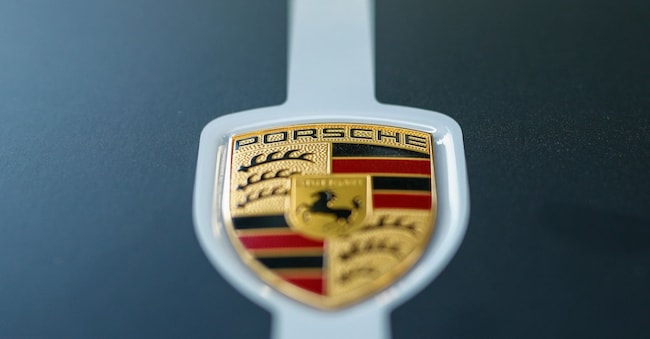
Porsche is preparing to streamline its portfolio by reducing its model range and, at the same time, to step up cooperation and synergies within the Volkswagen Group, of which the premium brand is an integral part. These decisions are aimed at boosting profit margins, which have come under pressure from US tariffs and weak demand in China.
The new CEO, Michael Leiters, is set to outline to shareholders at Porsche’s annual general meeting the plan to simplify and streamline the product portfolio, a move that reflects the wider efforts across the entire Volkswagen Group to reduce complexity and boost profit margins.
Porsche currently offers around 85 variants based on six main models. “Our portfolio has become too complex, even when compared with that of our competitors,” said Leiters, who took over as CEO in January. He went on to add that Porsche will step up cooperation with the rest of the group to reduce development costs. “If fewer models are competing with one another, this will have a significant impact on our capital efficiency.”
The challenges facing Porsche are shared across the entire European premium sector: last week, BMW cut its automotive margin forecasts to as low as 1 per cent due to falling demand and mounting geopolitical pressures, highlighting the crisis affecting the entire luxury car sector in Germany. Porsche forecasts an operating profit margin of between 5.5% and 7.5% for this year. This is significantly lower than the double-digit margins that investors have long associated with the brand.
Porsche’s difficulties are also having an impact on Volkswagen. The brand has traditionally been one of the Wolfsburg-based group’s key profit drivers, helping to offset lower returns from its mass-market operations. Its decline is increasing the pressure on CEO Oliver Blume, who stepped down from the helm at Porsche to focus on steering Europe’s largest car manufacturer through a major restructuring. Leiters is preparing further cost-cutting measures and has begun talks on this programme with trade union representatives, according to a report in the Frankfurter Allgemeine. Mercedes, too, has in recent days announced its intention to convene the trade unions to review certain contractual safeguards agreed several years ago to protect the internal labour market, but which are now deemed no longer fully sustainable.

