
Ports: from digitalisation to SEZ investments – a review at the end of the NRRP
Three objectives set by the ministry, which, according to the figures released, show that the targets set out in the Plan have been exceeded

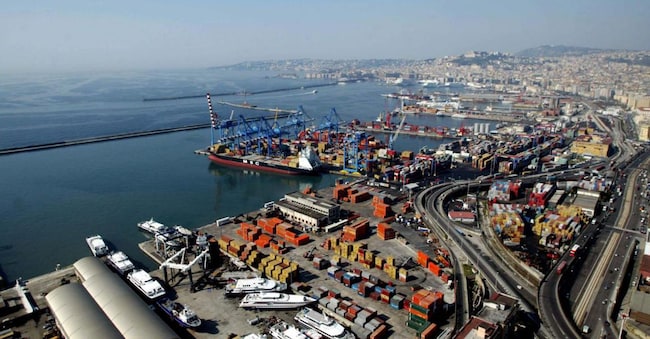
Electrification of quays, infrastructure investment in Special Economic Zones, and the digitalisation of the logistics chain: these are the three investment priorities of the NRRP which the Ministry of Infrastructure and Transport has managed as the lead authority through the Directorate-General for Ports, Logistics and Intermodality. The Ministry’s budget figures for all three areas show that the targets set out in the Plan have been exceeded.
Cold ironing
Let’s start with cold ironing – the electrification of quays that reduces emissions in port areas – for which a target had been set for 30 June 2026: completion of works and acceptance of connection quotations by the port system authorities for at least 15 installations in at least 10 ports. The MIT reports 22 such installations across 17 ports, compared with 23 projects funded across 18 ports, with a total capacity exceeding 220 MW. The resources allocated amount to 317.6 million of the 400 million allocated, of which 195 million is for new projects.
Investments in the SEZ
With regard to infrastructure investment in the Special Economic Zones (SEZs) – last-mile connections to ports and industrial areas, the digitalisation of logistics, urbanisation, energy efficiency improvements and strengthening the resilience of ports – the target was to complete at least 46 projects by 30 June. Of the 52 projects funded, 50 have been completed, at a total cost of 888.8 million: 625.5 million to the Port System Authorities, 193.6 million to the Department for the South of the Prime Minister’s Office – which has taken over the responsibilities of the former SEZ special commissioners – and 69.7 million to RFI.
Digitalisation
The third area – the digitalisation of the logistics chain – accounts for 176 million, divided into three components. Thirty million went towards funding the National Logistics Platform, which is now operational. Forty-five million went towards the digitalisation of the Port System Authorities, with Port Community Systems developed across all 16 Port System Authorities (AdSPs), and of freight villages, where the target required a Freight Village System in at least 12 locations: this figure has now reached 15. Finally, 101 million funded the ‘Login Business’ call for proposals: incentives for 850 transport and logistics companies, totalling 83.3 million, earmarked for management systems that are interoperable with the national platform and the Port Community Systems (PCS).

