

Should you wash bagged salad? Here’s what to look out for
The team of doctors and fact-checking experts from the National Medical Association addresses the main health concerns

Key points
- Is it true that bagged salad shouldn’t be washed at home?
- What are the characteristics of fresh-cut produce?
- Are ready-to-eat salads safer and healthier than unwashed ones?
- What is the best way to sanitise fruit and vegetables at home?
- What are the risks of not disinfecting fresh vegetables?
- Is it true that children and pregnant women need special care?
- How do you choose a salad and keep it fresh and safe?[Insert key point]
As summer approaches, the consumption of cold dishes increases, and among the most popular products are ready-to-eat salads – vegetables that have already been washed, chopped and packaged, ready to be served straight onto a plate. Their success is mainly down to convenience: no waste to deal with, quick preparation and the option to eat them outdoors or at work. But do you really not need to wash them again? Concerns about safety, nutritional quality and potential contamination are widespread among consumers, but it is possible to protect your health by following simple hygiene rules and learning to read the labels.
Is it true that bagged salad shouldn’t be washed at home?
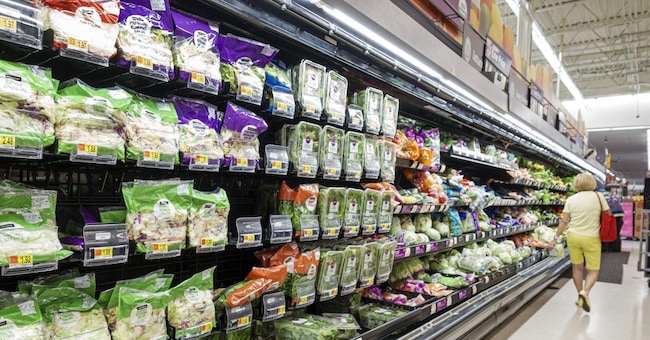
It depends. Not all pre-packaged salads are the same. To be sure you’re making the healthiest choice, you should read the product label. If the packaging states ‘washed and ready to eat’ or ‘ready to eat’, there’s no need to wash the product again. In other cases, the label may recommend washing or may not provide any instructions. Many consumers are in the habit of rewashing even ready-to-eat salads, but this isn’t necessary: these are fresh-cut produce items, which have been industrially washed and stored at a controlled temperature before sale.
What are the characteristics of fresh-cut produce?
Fruit and vegetables are divided into five categories, or ranges, based on the production process and the way in which they are sold: Range I: fresh fruit and vegetables, which are perishable as they have not undergone any preservation treatments; for example: what you buy at your local market or directly from a farm; Category II: processed and tinned vegetables, ranging from vegetables in oil and pickles to fruit in syrup and freeze-dried vegetables; Category III: frozen products; Category IV: washed and packaged salad leaves and vegetables, ready to eat; Category V: pre-cooked or cooked products (such as grilled or boiled vegetables, soups) packaged using specific techniques.
After harvesting, fresh-cut produce is washed several times using drinking water and disinfectants. The cold chain is then maintained, and the salads are dried and packaged in bags or trays, without the addition of preservatives.
Are ready-to-eat salads safer and healthier than unwashed ones?
These are two different sales formats, but from a nutritional point of view the differences are minimal. Fresh-cut produce is popular for its convenience and the absence of additives: it is the choice of those who are short of time or eat out. Unpackaged fresh produce generally costs less and is perceived as more ‘natural’. However, it needs to be washed thoroughly to remove any germs and traces of chemicals used in farming.

