World Day

Premature babies: being born early does not mean having fewer opportunities to thrive

In Italia, around 25,000 babies are born each year before the 37th week of pregnancy

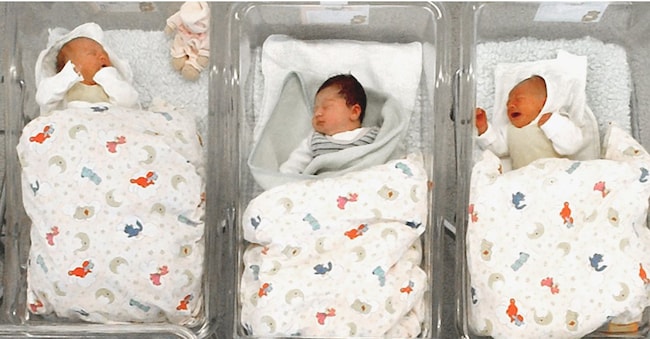
foto IPP/picture alliance    nella foto : Maternità neonati neonato bambini nascite culle nursery 
warning available only for italian markets IPP

3' min read

Translated by AI
Versione italiana

3' min read

Translated by AI
Versione italiana

For a baby born prematurely, going home is an achievement. For parents, it means leaving behind incubators, monitors and days governed by the rhythms of the Neonatal Intensive Care Unit. But discharge is not the end goal: it is the start of a new phase, in which continuing to monitor the baby’s development can make all the difference.

This is the message behind the theme chosen for the World Prematurity Day 2026, which is celebrated on 15 November: ‘Small babies, big potential. Let’s invest in follow-up care to protect their future!’. A message that focuses on children’s quality of life and opportunities for growth.

Loading...

The Italian Society of Neonatology (SIN), together with the Italian Society of Neonatal Nursing (SIN INF) and Vivere ETS, is translating this commitment into a concrete request: to recognise follow-up care as a treatment pathway within the National Health Service, with dedicated resources and standardised care across all regions.

In Italia, around 25,000 babies are born before the 37th week of pregnancy every year. Whilst the most premature babies face greater risks, even those born just a few weeks early may experience difficulties with language, attention or learning – difficulties that are sometimes only recognised once they start school.

For this reason, follow-up care cannot be limited to monitoring weight and growth, but must support the child’s development across a range of areas. For babies born before 32 weeks, the recommendations call for monitoring up to the age of six.

The aim is to ensure that no family is left to cope on their own during the transition from hospital to community care. This is emphasised by Massimo Agosti, President of SIN, Elena Bernabei, President of SIN INF, and Martina Bruscagnin, President of Vivere ETS: ‘It is essential to ensure continuity of care until school age, standardisation of care pathways across all regions, and integration between the various services involved.’

SIN also looks at what happens during hospitalisation. A new guide dedicated to music therapy in the Neonatal Intensive Care Unit offers guidance on integrating this practice into day-to-day care. In an environment dominated by alarms and medical equipment, sessions led by qualified professionals can promote the newborn’s wellbeing and strengthen the bond with their parents.

Translating these guidelines into a structured care pathway, however, requires complex organisation. This is emphasised by Alessandra Coscia, Head of the University Department of Neonatology and Neonatal Intensive Care at Sant’Anna Hospital in Turin, a member of the Executive Committee of the SIN and of Piccoli Passi ODV (which is celebrating its 25th anniversary this year), who brings the experience of a facility that has been involved in follow-up care for over thirty years. In line with the SIN, Coscia reiterates the need for formal recognition by the National Health Service. ‘Follow-up should not be regarded as merely a series of individual post-discharge outpatient check-ups,’ she explains. Specific facilities, equipment and expertise are required, with neonatologists continuing to act as coordinators and points of reference for families.

On 15 November, monuments and hospitals will be lit up in purple, the colour representing prematurity. A symbol that embodies a concrete commitment: to ensure that being born prematurely does not mean having fewer opportunities to thrive

Copyright reserved ©
Loading...

Brand connect

Loading...

Newsletter

Notizie e approfondimenti sugli avvenimenti politici, economici e finanziari.

Iscriviti