The analysis

Profitable investment only with a certain financial profile

 (Photo by Marco Ottico/Lapresse)

3' min read

Translated by AI
Versione italiana

3' min read

Translated by AI
Versione italiana

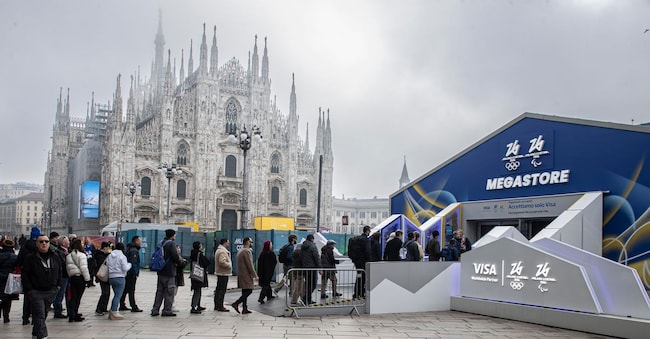
Rome post-Jubilee and Milan during the Olympics, two emblematic cases. In the former, the rush of short-term rentals was slow and came to a halt immediately after the event, in the latter - according to industry experts - bookings are languishing.

It is a fresco of lights and shadows that emerges from an analysis of the short-term rental segment. Particularly evident in the last few months/semesters, when changing interest rates have changed the cards on the investment property purchase table. In the years of 1% mortgages, leveraged buying allowed attractive returns: the cost of debt was sustainable even with a modest rent compared to the instalment.

Loading...

That financial tranquillity no longer exists today. With the fixed interest rate now almost at 4%, the reasoning changes: the return on rent often no longer adequately remunerates the capital invested, especially in cities where prices per square metre have risen substantially.

Not only that. The demand for short-term rentals has also declined, at least in those locations that do not have high tourist appeal and long seasonality, as the centre of Venice or Florence may express.

When investing is profitable

Among the experts, opinions are mixed. Alongside those who still give short leases a chance as a profitable form of property management, there are those who consider this option valid only in large cities, where the investment makes more sense, they say, because the property occupancy rate is higher - from 50% to 70% - while in the many villages scattered along the peninsula and in tourist resorts the time horizon of use remains decidedly short.

In the end, a reality emerges: evaluation must be made on a case-by-case basis because the investment could also be a loss.

In the current context, the issue of putting residential real estate to income should be read with a clear distinction between purchased and inherited houses. It is not only a property difference, but above all a financial difference.

There are cases where the house is inherited and then instead of selling it, one chooses to take a period of time, a few semesters or a few years, to see if putting it to income will be fruitful or at least allow one to pay back maintenance and running costs.

On the other hand, those wishing to bet on the small villages must find elements to support their choice that are not only linked to the very low purchase cost in some locations, a cost that still does not internalise the market potential.

Choice dynamics also come into play in such transactions, including the possibility of using the property in a place considered 'of the heart', a variable that often drives the choice of a second home. It must also be said that in Italia much has been done to hamper the segment, reducing its potential.

A strongly disincentivising climate, between tight regulations at several levels (by government, regions and municipalities) and political narratives that have created regulatory uncertainty and reduced market supply. Margins of convenience remain where short-term rentals continue to play a structural role, supplementing the sometimes scarce hotel offer. And yet a typically Italia knot remains: the owner's poor protection in the event of arrears. So yes, the short rental regains appeal.

Copyright reserved ©
  • Paola DezzaCaporedattrice del Lunedì e responsabile del settore real estate per tutto il gruppo

    Lingue parlate: inglese, francese

    Argomenti: mercato immobiliare, architettura, finanza immobiliare, lifestyle, turismo, hotel e ospitalità

    Premi: “Key player of the italian real estate market” di Scenari Immobiliari

Loading...

Brand connect

Loading...

Newsletter RealEstate+

La newsletter premium dedicata al mondo del mercato immobiliare con inchieste esclusive, notizie, analisi ed approfondimenti

Abbonati