
The Po Project: here’s how efforts are being made to revitalise the great river
Thanks to 357 million from the NRRP, the aim is to restore 37 kilometres of riverbed and plant over half a million trees
by Davide Madeddu
 Aggiungi Il Sole 24 Ore
ai preferiti su Google
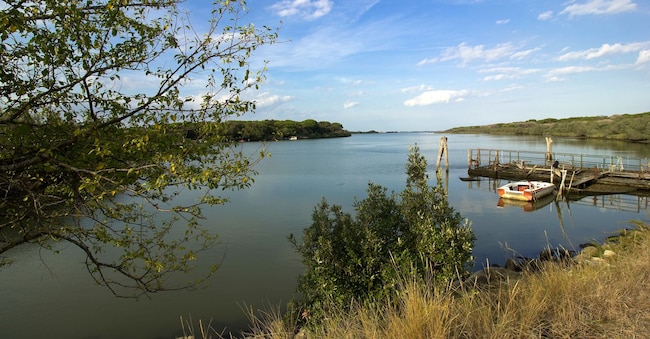
The aim is to ensure a more natural and sustainable future for the great river. This is the objective of the Po river renaturation project, which is being implemented through thirteen major initiatives spread across four regions and thirteen provinces. The figures illustrating the results achieved through the ‘Renaturation of the Po River Basin’ investment (funded by the PNRR – Next Generation EU with a total allocation of €357 million) relate to the restoration of the width of the Po’s riverbed over a total length of 37 kilometres, and the creation and regeneration of 440 hectares of woodland through the planting of 561,500 trees.
The project
According to the experts (speaking at a conference in Parma), this is “the largest river restoration project carried out to date in Italia”. “The measures implemented for the renaturation of the Po river area, with funding from the NRRP, are of great significance for the entire vast territory involved,” said Gilberto Pichetto Fratin, Minister for the Environment and Energy Security. ‘Renaturation does not mean returning the river to the past, but recreating the conditions so that, even in the face of climate change, we can manage the territory more effectively. This is how we have recovered spaces and river channels that had been lost over the last century, restoring the Po’s natural flow.’
The morphological works involved lowering the navigation banks and opening side channels to hydraulically reconnect the oxbow lakes (secondary river branches) to the main channel, promoting a multi-channel system (multiple minor channels that intertwine and separate) of the river and a better overall exchange between the main channel and the side areas. At the same time, widespread naturalistic reforestation was carried out, alongside the control of invasive alien species, accelerating reforestation processes to restore the valuable lowland woodlands, as well as the restoration of wetlands and ancient river branches to support the habitats of aquatic and terrestrial species. Finally, hydraulic safety works have involved the reinforcement of certain sections of the embankments using diaphragms designed to reduce seepage.
Key issues
The need to press ahead with the project is also driven by the critical issues affecting the river, which flows for 652 kilometres, passing through 4 regions, 13 provinces and 181 municipalities before emptying into the Adriatic. Not to mention the works that have already been carried out, ranging from ‘impressive and essential embankment systems to protect the surrounding areas from flooding’ to ‘excessive canalisation of the river channel and extensive dredging of the riverbed, thereby compromising the quality of ecosystems and leading to the fragmentation of natural habitats’.
Last but not least, the concern expressed by the National Association of Consortia for the Management and Protection of the Territory and Irrigation Waters (ANBI), which highlights the water crisis affecting the River Po – with serious repercussions in the delta area – and notes the extraordinary and worrying speed at which the flow rate has fallen over the past ten days.

