Science

Protein discovered effective against carbon monoxide poisoning

Research by the University of Maryland School of Medicine: the protein, in early experiments on mice, was able to remove CO from their blood within minutes

3' min read

3' min read

A report in the online magazine New Atlas explains how a protein that acts like a molecular sponge has the potential to change the way carbon monoxide poisoning is treated, chasing CO molecules into the bloodstream and helping the body eliminate them within minutes, without the risk of short- or long-term health problems that occur with the current first-line treatment, pure oxygen.

Researchers at the University of Maryland School of Medicine (Umsom) focused on a naturally occurring protein known as RcoM, found in the bacterium Paraburkholderia xenovorans. In bacteria, RcoM detects traces of CO in the environment, so the engineers thought it could be exploited to capture carbon monoxide molecules bound to red blood cells.

Loading...

The synthesised protein is the basis of the therapy, which the researchers have named RcoM-HBD-CCC. The protein selectively binds to CO molecules, ignoring oxygen (O₂) and other essential chemical compounds, such as nitric oxide (NO), which regulates blood pressure, present in the body.

CO poisoning is difficult to treat for several reasons. Firstly, carbon monoxide can creep into the body, which is why it is often referred to as the 'silent killer'. The gas is odourless and invisible and can escape from faulty gas stoves or accumulate due to the combustion of natural or propane gas, e.g. from hobs, when in poorly ventilated spaces. Carbon monoxide is also a major component of smoke inhalation during house fires and, of course, is deadly when internal combustion vehicles are in operation in enclosed areas such as a garage.

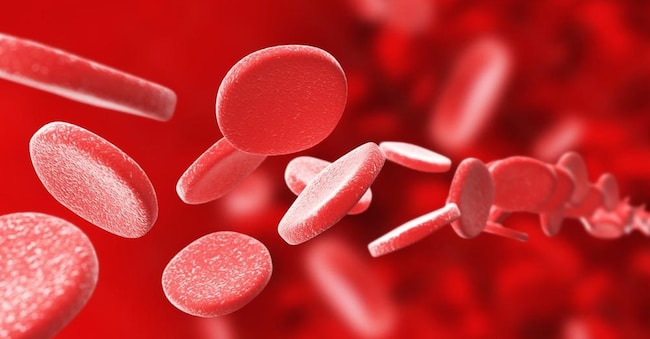
Once in the body, CO molecules adhere to haemoglobin, which is normally responsible for transporting oxygen from inside red blood cells, thus interrupting the necessary supply of O2 to the brain, heart and other organs. Because the gas binds to haemoglobin so efficiently - 200 to 400 times better than oxygen - a sufficiently high concentration causes loss of consciousness within minutes, resulting in permanent organ damage or death.

The limits of current treatment

.

The current treatment to rid the blood of monoxide is a race against time. The only medical intervention applied so far for those who manage to get to hospital in time is to flood the body with 100% pure oxygen, often in a hyperbaric chamber. But it is a slow process: it takes an hour or more to remove the CO from the blood stream and, even when patients survive, almost half of them suffer long-term heart or brain damage.

In tests on mice, RcoM-HBD-CCC therapy was able to remove CO from the blood within minutes: the carbon monoxide is excreted through urine. The antidote acts like a sponge, seeking out and absorbing CO bound in red blood cells. In mice, half of the CO in the bloodstream was eliminated in less than a minute, freeing the haemoglobin in the cells to transport oxygen again.

The problem of blood pressure

.

It is important to note that other experimental haemoproteins were not able to selectively target carbon monoxide, also binding to nitric oxide, so infusions of such haemoproteins may lead to blood vessel restriction and dangerously increase blood pressure. In the study, RcoM-HBD-CCC showed no affinity for this vital molecule.

"Unlike other protein-based treatments, we found that the compound caused only minimal changes in blood pressure, which increased the potential of this new molecule for clinical applications," said study author Dr Mark T. Gladwin, Dean of Umsom. "The protein therefore has the potential to become a rapid antidote, when injected intravenously, to carbon monoxide, which could be administered in emergency rooms or even directly in the field by first responders."

Although this is still preliminary research, the results are promising and warrant further preclinical studies to assess its safety and dosage, paving the way for human trials. "This molecule could represent a breakthrough because it can directly and rapidly remove carbon monoxide from the body with such a low risk of unwanted side effects," said Dr Jason J. Rose, Associate Professor of Medicine at Umsom. "Given the promising results, we are also evaluating the potential for the use of RcoM-HBD-CCC in other areas, for example as a blood substitute in cases of severe anaemia or haemorrhagic shock."

Copyright reserved ©

Brand connect

Loading...

Newsletter

Notizie e approfondimenti sugli avvenimenti politici, economici e finanziari.

Iscriviti