

Psoriasis high impact in 70% of cases but up to 60% of sufferers drop out of treatment
More than 750 free dermatological examinations and consultations at the Open Day organised in 90 hospitals by Fondazione Onda with Sidemast and under the patronage of Apiafco to raise awareness of the disease and quality of life for sufferers

Key points
More than 1.5 million people in Italy are affected by psoriasis, a chronic skin disease that profoundly affects daily life. In fact, for nine out of ten patients, the disease has a significant impact on the relational, social and emotional sphere. Seventy per cent complain of problems in the family sphere, 68 per cent at work and 17 per cent have also experienced negative consequences in their intimate life.
The Campaign
Although today's available therapies can control symptoms and improve overall well-being, treatment adherence and early diagnosis remain a challenge. To turn the spotlight on psoriasis and promote greater awareness of the importance of proper management of the disease, the Onda ETS Foundation promoted the (H) Open Day on psoriasis on 11 March. The campaign was made possible thanks to the collaboration with SIDeMaST (Italian Society of Medical, Surgical, Aesthetic Dermatology and Sexually Transmitted Diseases) and was sponsored by Apiafco (Italian Psoriatic Association Friends of the Corazza Foundation).
The initiative, supported by the unconditional contribution of Bristol Myers Squibb, involved 97 health facilities throughout the country, offering over 750 free dermatological examinations and consultations, flanked by information moments aimed at citizens, direct social media and info points manned by specialised personnel. The results of the campaign were presented at a press conference in Rome.
An integrated approach
"The H Open Day on psoriasis was created with a twofold objective: on the one hand to raise public awareness of a chronic and often still underestimated pathology, which profoundly affects people's quality of life, and on the other hand to concretely facilitate access to diagnostic and treatment pathways, promoting appropriate, timely and multidisciplinary care," says Francesca Merzagora President of Onda Ets. Through initiatives such as this one, we want not only to inform, but also to break down the cultural and organisational barriers that still hinder many patients from turning to specialists and embarking on the most appropriate course of treatment. Psoriasis, in fact, requires an integrated approach that takes into account its multiple clinical and psychological implications. In this context, the Bollino Rosa (Pink Label) hospital network represents a fundamental garrison on the territory: a capillary and qualified network capable of intercepting health needs, orienting citizens and offering adequate and timely answers, contributing to a healthcare system that is ever closer to people and attentive to their specific needs'.
Therapies to be customised
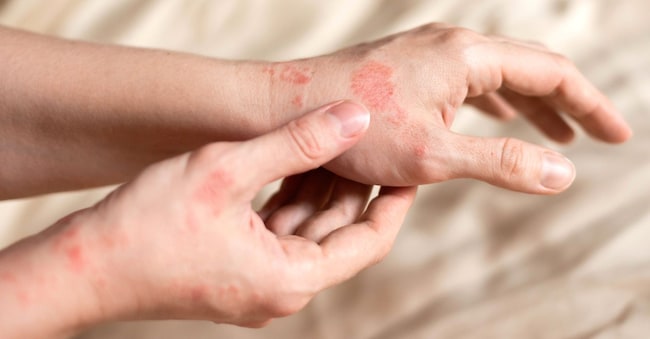
"Psoriasis is an inflammatory disease that almost always compromises the physical, psychological and relational wellbeing of those affected,' continues Alessandro Borghi, member of the SIDeMaST Board of Directors. 'It is characterised by a chronic and relapsing course and mainly manifests itself with reddened and scaling plaques generally distributed symmetrically on elbows, knees, hands, feet, lumbosacral surface and scalp and not infrequently localised to the genital area. It does not only affect the skin, but often involves the entire body and may be associated with other serious diseases such as psoriatic arthritis, cardiovascular disease, inflammatory bowel disease or diabetes. Patients often complain of intense itching and the involvement of certain anatomical districts, such as the hands or feet, results in significant functional limitations. Today, the therapeutic choice is increasingly customised. It must be based on the characteristics of the individual patient, including any comorbidities, the severity and extent of the clinical picture, as well as the extent of discomfort and the impact of the disease on the affected person's quality of life. While in mild and circumscribed forms topical treatments are predominantly used, in moderate-severe forms phototherapy and systemic drugs may be indicated. These are divided into conventional and biotechnological and into targeted oral therapies. The evolution of available therapeutic options has enabled more effective control of the disease in the long term, while also ensuring an excellent safety profile. It has also allowed appropriate intervention in the different clinical manifestations of psoriasis, improving the overall management and quality of life of patients'.
The therapeutic adherence node
"We were delighted to take part in an initiative created to promote greater awareness of the disease and to facilitate access to the various treatment pathways," continues Valeria Corazza, Apiafco president. "In particular, the day of 11 March was intended to reiterate the great importance of always and only turning to hospital centres specialised in the multidisciplinary management of a complex and still underestimated disease. The diagnosis must be as timely as possible, as must the subsequent customised therapeutic intervention. This can drastically reduce the risk of a worsening of the clinical picture and the onset of complications. There is the serious problem of therapeutic adherence, which is crucial in a chronic disease such as psoriasis. During the initiative, the importance of always taking the drugs prescribed by specialists was strongly emphasised. Unfortunately, the lack of awareness of the systemic nature of the disease leads to the interruption of treatment in around 25% of sufferers, which rises to 60% with treatment with topical drugs. This is a phenomenon that must also be countered through more and better dialogue between the doctor and the patient. Finally,' Corazza concludes, 'there is a need to map the 200,000 patients with severe psoriasis, about half of whom are on biological/biosimilar drugs. In some regions, access to prescribing centres is still not easy and therefore the treatments are there but not for everyone'.

