
A public-private partnership to promote the Grande Brera
The initiative – the first of its kind in a state museum in Milan – has been unveiled; it will involve the Pinacoteca and Palazzo Citterio

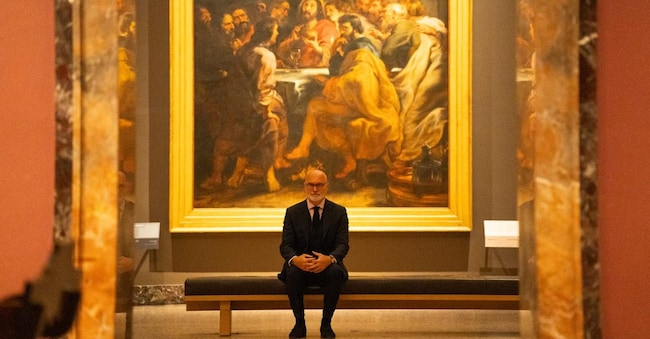
La Grande Brera is opening its doors to the private sector to strengthen services and enhance the museum complex. However, it is doing so by using an innovative tool – never before employed by a state museum in Milan – namely the special public-private partnership (Pspp), a measure provided for under Article 134 of the new Public Contracts Code of 2023.
An initiative that marks ‘a paradigm shift’ in the relationship between public cultural institutions and private partners, as Angelo Crespi, Director-General of the Grande Brera – which, in addition to the Pinacoteca, also comprises Palazzo Citterio (which opened in December 2024) and the Braidense National Library – has said.
Unlike traditional instruments such as concessions service contracts or sponsorships, the PSPP is based on a ‘horizontal’ form of collaboration, which involves the joint co-design of initiatives and strategies for the promotion of cultural heritage, right from the outset, between the public institution and businesses, associations or third sector organisations.
The specific aim of the initiative is to develop a shared management model “to improve visitor experience, expand the cultural offering and contribute to the institution’s financial sustainability”, added Crespi. The partnership will involve private operators in the planning and management of certain services, focusing in particular on the Pinacoteca and Palazzo Citterio. The most significant project, in terms of scale and ambition, is the new Design Store to be established at Palazzo Citterio, which will not be merely a commercial space but will offer visitors an ‘extension of the cultural experience’, as explained by Marco D’Isanto, a cultural economist and adviser to the Ministry of Culture, modelled on the major international ‘museum stores’, starting with that of the MoMA in New York.
The same logic underpins the other projects planned by the partnership, namely the design, fit-out, organisation and management of Bar Fernanda, within the Pinacoteca; the Citterio Garden, a multi-purpose reception area with a bistro; and cultural events at Palazzo Citterio. All these projects and services, D’Isanto added, must serve to showcase the quality of the heritage preserved in the Grande Brera.

