
Pumpkins: not just for Halloween – following October’s record figures, spending is on the rise all year round
In the first eight months of 2026, sales were up by 24 per cent. Behind the resurgence in popularity of this vegetable lies the combination of health and taste, which is the reason for purchase for 39 per cent of Italians

Key points
Who knows whether Halloween will work its magic and see the Italian pumpkin market break a new record. The early signs are positive. In the first eight months of 2026 , purchases in modern retail have already risen by 24 per cent compared with the same period last year, reaching nearly 20,000 tonnes and €35 million in spending (+10 per cent), as revealed by Cso Italy’s analysis of YouGov data carried out for *Il Sole 24 Ore*. If the final four-month period – during which over a third of sales are concentrated – confirms this trend, then 2026 will be the best year in the last five years and will confirm the decisive role played by Halloween in the rediscovery of the pumpkin.
The ‘trick or treat’ effect
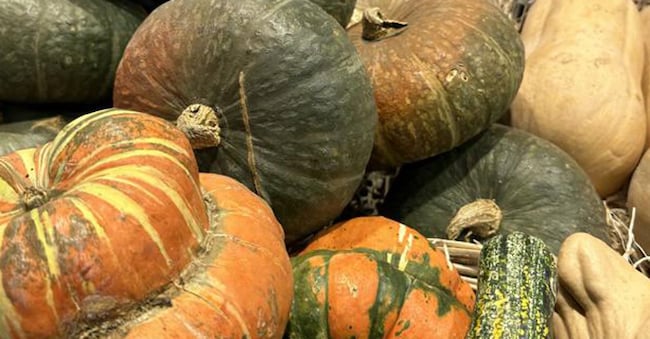
This festival has become a powerful sales driver, particularly since manufacturers and retailers have been creating visually striking displays designed to draw attention to the pumpkin, featuring specially packaged products and the ever-present Halloween pumpkin, which in some large-scale retail chains generates 5 per cent of the category’s annual turnover in just 15 days, partly thanks to a distinctly premium price.
Shelf visibility, promotional planning and seasonal displays have helped to boost sales of this traditional vegetable by presenting it in a more appealing and contemporary way. This phenomenon extends far beyond supermarkets and Italia; it is a global phenomenon and likely even has a specific starting point: 2003, when Starbucks invested heavily in the pumpkin spice latte, successfully turning it into one of the brand’s most recognisable products and a staple of the autumn season. This flavour has since made its way into many food and beverage categories, such as coffee and patisserie.
And so the pumpkin, with its sweetness and distinctive colour, has become the symbol of autumn, increasingly used as an ingredient in ready-made soups and pesto, crisps and fresh pasta, burgers and hummus, snack bars and biscuits, baby food and grain salads. It is also found in sandwiches and piadinas offered by commercial catering chains.
Sales trends in supermarkets
In Italia, between 2016 and 2025, the volume of pumpkins sold through large-scale retail outlets increased by 10 per cent, though the trend was non-linear: it peaked in 2021, followed by a significant decline, and then picked up again from 2024. Last year, volumes grew by 13 per cent, reaching nearly 51,000 tonnes. However, it is particularly in terms of value that the market has seen a significant rise (+52% over 10 years), driven largely by a 38% increase in the average price, which reached 1.63 euros per kg. However, from 2024 the trend reversed, and the fall in prices proved to be a key driver in boosting consumption amongst the 11 million households that purchase this cucurbit through large-scale retail outlets.

