

Rare brain tumours, innovation requires reorganising care
Taking care of IDH-mutated gliomas in Piedmont as a paradigm of shared paths, based on multidisciplinarity and on expertise and clinical experience in complex pathologies

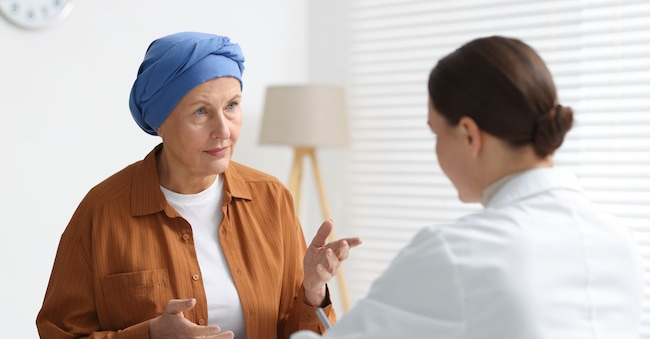
Neuro-oncology has undergone a profound transformation in recent years. The introduction of molecular diagnostics has changed the way in which brain tumours are classified, while the arrival of new targeted therapies, the result of precision oncology, is concretely changing the natural history of certain pathologies that until recently were destined to an almost fatal evolution.
A new phase
This is the case with IDH-mutated low-grade gliomas, rare brain tumours that frequently affect young people, often between the ages of 35 and 45, in the middle of family and working life. A new phase is opening up for these patients. The most recent therapeutic innovations, and specifically vorasidenib, an IDH1 and 2 inhibitor, make it possible to significantly slow down the progression of the disease, delaying recourse to more aggressive treatments such as radiotherapy and chemotherapy and preserving autonomy, cognitive functions and quality of life for longer. When a disease changes, however, it is not only the prognosis that changes.
Accompanying patients
People's needs and the responsibilities of the healthcare system are also changing. For many years, the main challenge was to ensure accurate diagnosis, appropriate treatment and specialist follow-up. Today there is a new need: accompanying patients who are living longer with their disease and who need care pathways capable of integrating clinical expertise, territorial support, rehabilitation, psychological support and quality of life protection. This is a challenge that the public health service cannot afford to underestimate. Because therapeutic innovation produces real value only when the system is able to welcome it and translate it into effective, accessible and sustainable care pathways.
The Piedmont Network
From this point of view, Piedmont is in a privileged position. For years, the Piedmont and Valle d'Aosta Oncology Network has represented one of the most advanced Italian experiences of integration between hospital and territory, a model that has contributed to reducing the fragmentation of pathways and to guaranteeing patients a structured and continuous care. Within this experience, the regional Neuro-Oncology Network has been developed on a 'Hub and Spoke' model, which, thanks to the coordination of the Hub centre and the collaboration between specialist centres, has made it possible to build shared pathways, enhance multidisciplinarity, and concentrate expertise and clinical experience in the rarest and most complex pathologies.
The Model Pathway
It is in this context that on 29 May, at Palazzo Lascaris in Turin, regional institutions, clinicians, healthcare professionals, patient associations and healthcare planning representatives met to discuss the future of the care of IDH-mutated gliomas. At the centre of the discussion was the regional Model Pathway, a governance tool designed to accompany therapeutic innovation and transform it into an organisation of care capable of guaranteeing uniform access, continuity of care and integration between hospital and territory, which can also be exported to other clinical areas. The aim is not to replace what already exists, but to enhance and strengthen the experience gained over the years by the oncology network, identifying in a shared way which elements must be guaranteed to all patients: from molecular profiling to multidisciplinarity, from continuity of follow-up to integration with territorial services.

