

Rare diseases, 27 Telethon projects arrive: the hunt for new treatments begins
Funded basic and pre-clinical studies in nine regions involving 39 scientific groups: on track from gene therapies to Glp-1 agonists

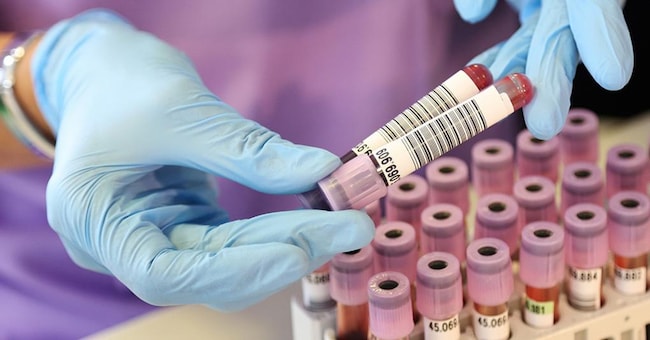
Seven million euros are earmarked for 27 research projects on rare genetic diseases, with the involvement of 39 scientific groups spread across nine Italian regions. This is the outcome of the first round of the second edition of the 'multi-round' call for proposals promoted by the Telethon Foundation in partnership with the Regional Foundation for Biomedical Research (Frrb) of the Lombardy Region. An intervention that consolidates the role of biomedical research as a strategic asset of the national health and scientific system, with potential spin-offs on early diagnosis, patient care, and the development of new therapies.
The call for proposals is dedicated to the funding of basic and pre-clinical research studies on rare genetic diseases and consists of a two-stage selection process: an initial evaluation of letters of intent and, subsequently, the analysis of full project proposals. The evaluation was entrusted to an international medical-scientific committee of 26 high-profile experts, chaired by Beverly Davidson of the University of Pennsylvania, as a guarantee of independence, methodological quality and comparison with the best international standards.
Lombardy is confirmed as the main pole of attraction for funding, with 17 out of 27 projects located in the region. Fondazione Regionale per la Ricerca Biomedica directly supported nine studies, investing a total of EUR 2.2 million. "This new edition of the call for proposals confirms Fondazione Telethon's commitment to guaranteeing stable resources to advance research into rare genetic diseases," says Celeste Scotti, the Foundation's Director of Research and Development. "The scientific quality of the projects selected demonstrates the vitality of Italian research and the ability of the groups involved to compete at an international level.
The funded projects cover a broad spectrum of pathologies and experimental approaches. Among these, the study coordinated by Andrea Becchetti of the University of Milan Bicocca aims to identify new pharmacological strategies for autosomal dominant hypermotor sleep-related epilepsy, a rare form characterised by nocturnal seizures that are often resistant to available treatments. On the side of neurodegenerative diseases, the project led by Carla Perego of the University of Milan explores the therapeutic potential of Glp-1 receptor agonists in Parkinson's disease, hypothesising the repositioning of molecules already used in other clinical areas.
Another central strand concerns the development of next-generation gene therapies. The research coordinated by Laura Baroncelli of the Stella Maris Foundation in Pisa aims to improve the quality of life of patients suffering from creatine transporter deficiency, while the study led by Alessandra Bolino focuses on a preventive gene therapy strategy for childhood-onset Charcot-Marie-Tooth type 4B disease. Alongside these, innovative approaches based on biodegradable nanoparticles for fragile X syndrome and experimental cell therapies for rare forms of autosomal recessive primary microcephaly are emerging.


