
Realme 16 Pro, the mid-range challenge: the author's portrait becomes democratic
The Chinese brand focuses on the 200 megapixel system for portraits and signs the design with Naoto Fukasawa. Prices from 399 euros

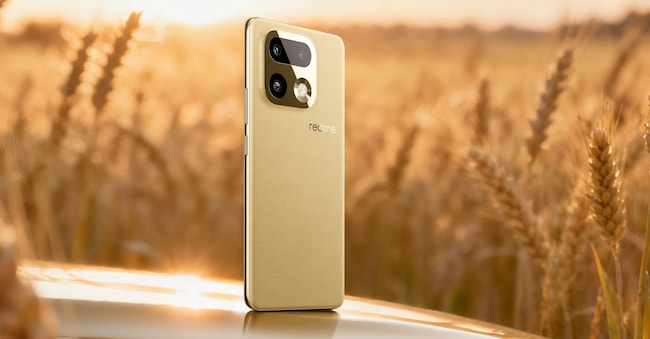
In a smartphone market increasingly polarised between top-of-the-range models costing over a thousand euros and entry-level models often lacking a true technological identity, Realme is trying to build a third way. In fact, the new Realme 16 Pro series, consisting of the 16 Pro and 16 Pro+ models, aims to move some typical flagship features towards the mid-range: advanced photography, designer design and hardware for intensive use.
The message from the Chinese brand is clear: democratise functions that until a few years ago were the prerogative of premium devices. The main lever of this strategy is photography, with a 200-megapixel system designed especially for portraits, a choice that reflects a trend that is now well established in the mobile industry, where innovation is increasingly passing through computational image processing.
Photography at the centre: the LumaColor system
At the heart of the 16 Pro series' photographic compartment is the 200 megapixel main sensor, combined with a software processing platform developed in-house and brought together under the name LumaColor Image. The aim is to improve colour rendition and light management, with a focus on skin tones and colour consistency in the scene. The system includes a number of dedicated algorithms - including HyperRAW, InstantSnap and Anti Distortion - designed to maintain greater detail and reduce distortion at the edges of the image, even under dynamic shooting conditions.
The optical architecture also includes a multi-focal kit for portraits - the FullFocal Portrait Lens Kit - found on both models in the series. In the case of the 16 Pro+, however, the system is enhanced with a 50-megapixel periscope telephoto lens with 3.5× optical zoom, which expands the flexibility of portrait and zoom, alongside 4K HDR multi-focal video recording.
Confirming the centrality of the visual language in the project, realme also started a collaboration with the School of Photography of the Academy of Fine Arts in Rome, which will use the device as a teaching tool in courses starting in April.

