
Referendum, Zuppi: 'Get informed and go vote. The autonomy of judges is essential'
Cardinal President of the Italian Bishops' Conference calls for information and participation in the vote on Justice for Responsibility and the Common Good

Key points
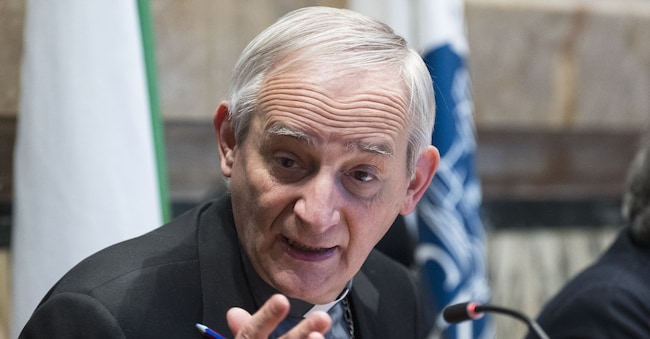
Two months before the referendum on Justice, with the vote scheduled for 22 and 23 March, the Cardinal President of the Italian Bishops' Conference, Matteo Zuppi, issues a double invitation. On the one hand, to inform oneself and understand 'what is at stake'. Then, the importance of participating and therefore going to vote.
The reference to abstentionism
Zuppi, introducing the work of the Permanent Bishops' Council, recalled the "general climate of disengagement, which emerges every time we are called to the polls". For this reason, he added, 'we feel the need to reiterate the importance of participation'.
"All of us will participate, because we share responsibility for the common good of our country. We therefore invite everyone to go and vote, after having informed themselves and reasoned about the issues and what is at stake for the present and the future of our society, without allowing themselves to be entangled in partisan logic'.
With the hope that, even after the referendum, the attention on the concrete exercise of jurisdiction in our country will continue, an important junction for the custody of the common good and the pursuit of justice, which suffers from many difficulties. On these issues, as on all the others that affect our coexistence, we hope that there will always be a responsible and constructive dialogue between the social and cultural forces and the different political parties, in the search for the greatest possible consensus around good solutions'.
Zuppi: 'Judges' autonomy essential'
Zuppi emphasised the importance of the judiciary, with "the balance between the powers of the State that the constituent fathers left us as a precious inheritance and that it is our duty to preserve". The separation of careers between prosecutors and judges and the structure of the Superior Council of the Magistracy "are issues that, as pastors and as an ecclesial community, must not leave us indifferent. Autonomy and independence are essential connotations for the exercise of a fair trial, and these values must be pursued, despite the different possible historical realisations and plurality of opinions and orientations'.

