

Reflux: stress, extra kilos and a sedentary lifestyle ignite the 'fire' in the oesophagus
Those who have been living with reflux for many years and, in addition, also suffer from anxiety, are much more likely to develop a chronic form that is difficult to control.

Key points
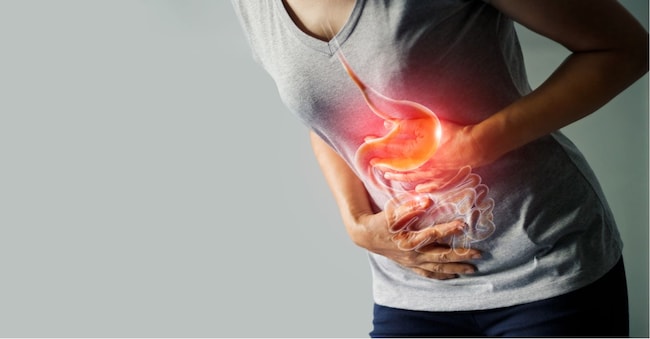
Heartburn that never goes away? The culprit could be gastro-oesophageal reflux disease. Or, in more colloquial terms, 'reflux'.
It is one of the most common digestive disorders in the world, manifesting itself as an insistent and painful 'fire' that burns behind the sternum and is caused by the rise of acidic gastric juices. But the causes are not limited to 'too much acid'; poorly functioning muscles in the oesophagus, an imbalance in the intestinal microbiome and poor digestive mucosal health also play a role. Usually antacid medications and proton pump inhibitors (PPIs) manage to control it effectively, but not always. And in these cases we speak of 'refractory' reflux, i.e. treatment-resistant.
Anxiety and stress: the real allies of reflux
In order to understand the causes of reflux forms and their distinctive features, a group of Chinese researchers from the First Medical Center of Chinese PLA General Hospital in Beijing, studied patients followed at 18 hospitals in Shanghai. And at the end of this thorough reconnaissance, they came to a conclusion: those who have been living with reflux for many years and, in addition, also suffer from anxiety, are much more likely to develop a chronic form that is difficult to control. Anxiety, stress and a sedentary lifestyle may therefore play a decisive role in turning gastro-oesophageal reflux disease (GERD or MRGE) into a more stubborn and difficult-to-treat form.
The good news is that there is also an unsuspected, effective and, moreover, low-cost weapon to combat this annoying companion: movement. Moderate physical activity for at least one and a half hours per week was found to be associated with a lower risk of 'resistant' reflux in this study.
New Drugs and Probiotics: Cures 3.0
On the 'traditional' treatment front, doctors can now use traditional drugs at different dosages (antacids or PPIs), switch molecules or use more innovative treatments. These include the P-CAB (Potassium-Competitive Acid Blocker), such as tegoprazan, which appear to be more effective than traditional PPIs in cases of severe erosive oesophagitis. In the very recent phase 3 trial TRIUMpH-EE, presented in early May at Digestive Disease Week (DDW) 2026, tegoprazan showed higher cure rates than lansoprazole, after eight weeks of treatment, even in patients with severe forms of the disease. The drug is currently under FDA review for three different indications (treatment of heartburn in non-erosive GERD, treatment of erosive oesophagitis and maintenance therapy).

