

Rehabilitation of the highest standard: the future of Santa Lucia, combining growth, research and care
More hospital beds, accredited care, and a boost to human resources and research: what’s in the recovery plan set to steer the Rome-based IRCCS out of the crisis

Key points
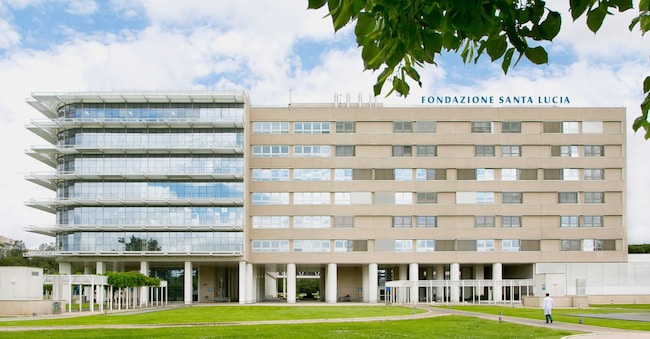
On 1 July, LIFE – Istituto di Ricerca e Cura began the process of safeguarding and revitalising the Santa Lucia IRCCS, one of Italy’s leading centres of excellence in the fields of neuroscience and neurorehabilitation. The acquisition marks the culmination of a complex process involving collaboration between three major organisations: the Lazio Region, INAIL and ENEA Tech and Biomedical, which established LIFE with the aim of pursuing an innovative model of intervention – through a publicly owned organisation – that goes beyond merely safeguarding a healthcare and scientific legacy, but is geared towards restoring its stability, capacity for development and growth.
The operation
The successful completion of the operation was made possible thanks to the support of the founding members, the contribution of the Ministry of Enterprise and Made in Italy, and ongoing consultation with the special commissioners who led the organisation from 7 October to 1 July, overseeing both the financial recovery and the launch of development projects for the hospital. In this way, the Special Administration has handed over to the new management programmes and action plans that form a solid foundation for the enhancement of the hospital’s facilities, services and clinical care. The conditions for a fresh start are firmly in place.
The new accreditation system, approved by the Lazio Regional Government, has made it possible to increase the number of beds from 325 to 365 and to expand the range and types of authorised services. Furthermore, with regard to outpatient physiotherapy for patients with civil disability, thanks to the investments made, capacity has been increased from around 300 to over 540 treatments per day. This expansion enhances a service in which 60 per cent of treatments are provided to children with severe disabilities and neurodevelopmental disorders, who begin rehabilitation within the first 18 months of life and often remain in care until they reach the age of majority.
Strengthened staff and research
At the same time, a major recruitment drive has been launched, which will see over 100 nurses and more than 70 rehabilitation professionals join the workforce – staff who are essential to the smooth running and revitalisation of the hospital. The commitment of Santa Lucia’s shareholders and governing body is to strengthen research activities. Enea Tech and Biomedical are strategic partners set to further enhance the Institute’s capabilities: the former primarily in the field of translational research, the latter in basic research. This synergy will enable the transfer of scientific knowledge towards increasingly effective clinical applications to be accelerated.
Santa Lucia has already achieved significant results in the field of neurology, with discoveries regarding the biological mechanisms of diseases being directly applied to prevention and treatment, demonstrating a seamless continuity between basic research and clinical practice. Conditions of great social significance, such as ischaemic stroke, spinal muscular atrophy (SMA) and multiple sclerosis, have been the subject of study and treatment. Research into Alzheimer’s disease has also been conducted using biomarkers and the latest generation of disease-modifying therapies.

