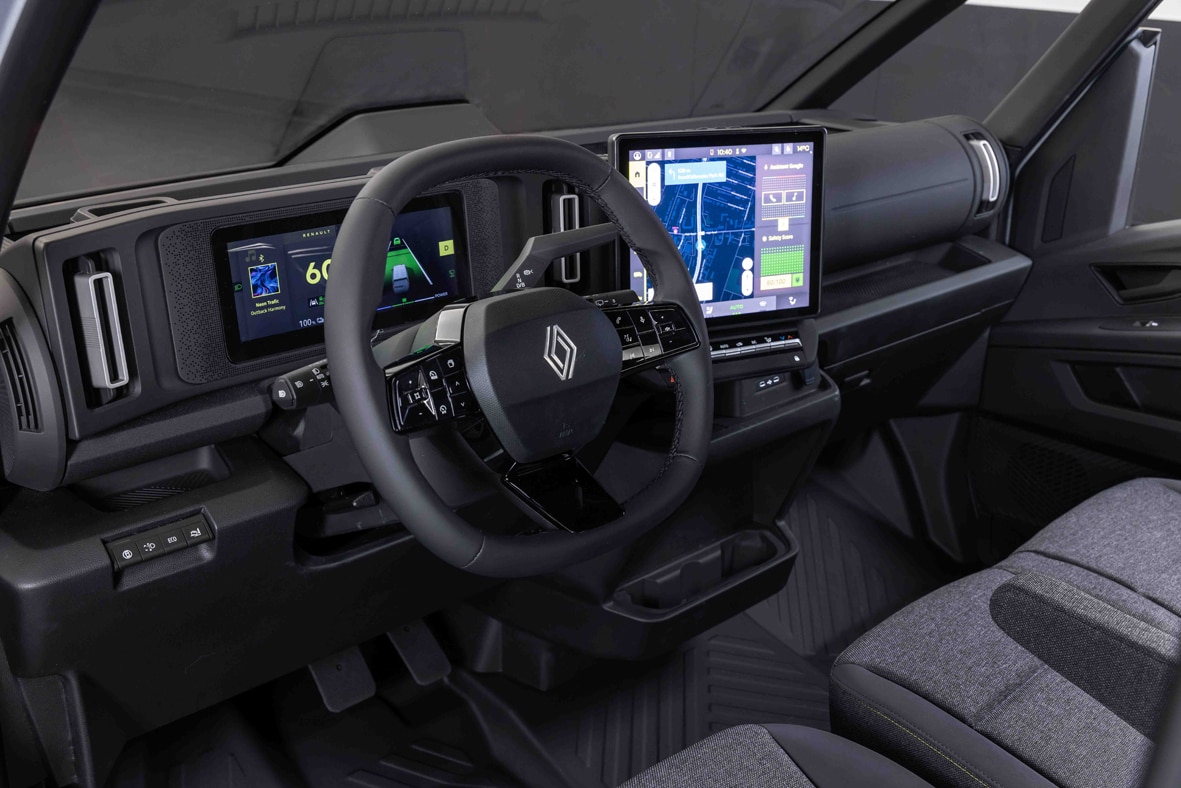
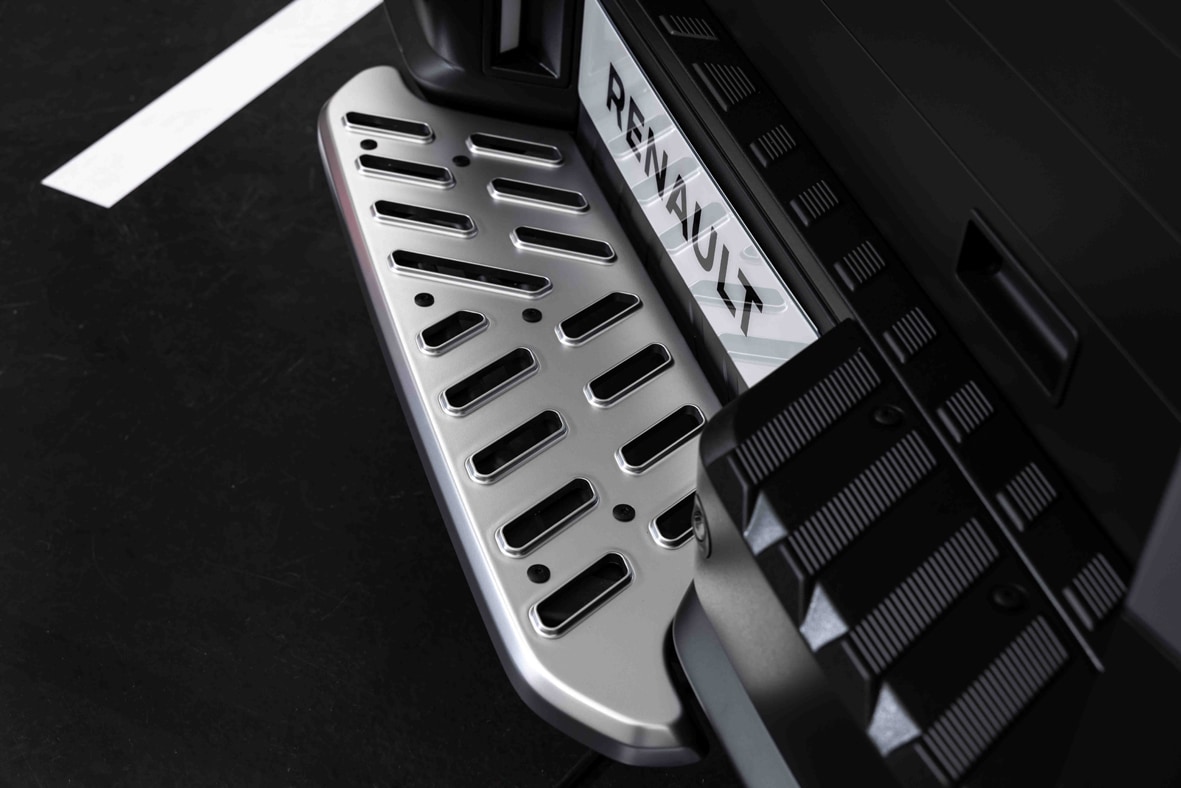
Renault unveiled the first electric commercial vehicles with the SDV by Ampere architecture.
Public debut at the Birmingham Motor Show (29 April-1 May). The acronym stands for software defined vehicle, indicating that these are vehicles built on a software basis, including control units, electronics and telematics.
4' min read
Key points
- Very advanced technology and connectivity
- User interface is customised
- Security, reliability and residual value
- Produced all in France in Soundouville
- My Renault App functionality
- All Mobilize services for fleets
- The new electric Trafic debuts first
- Goelette available in three versions
- Estafette last mile champion
4' min read
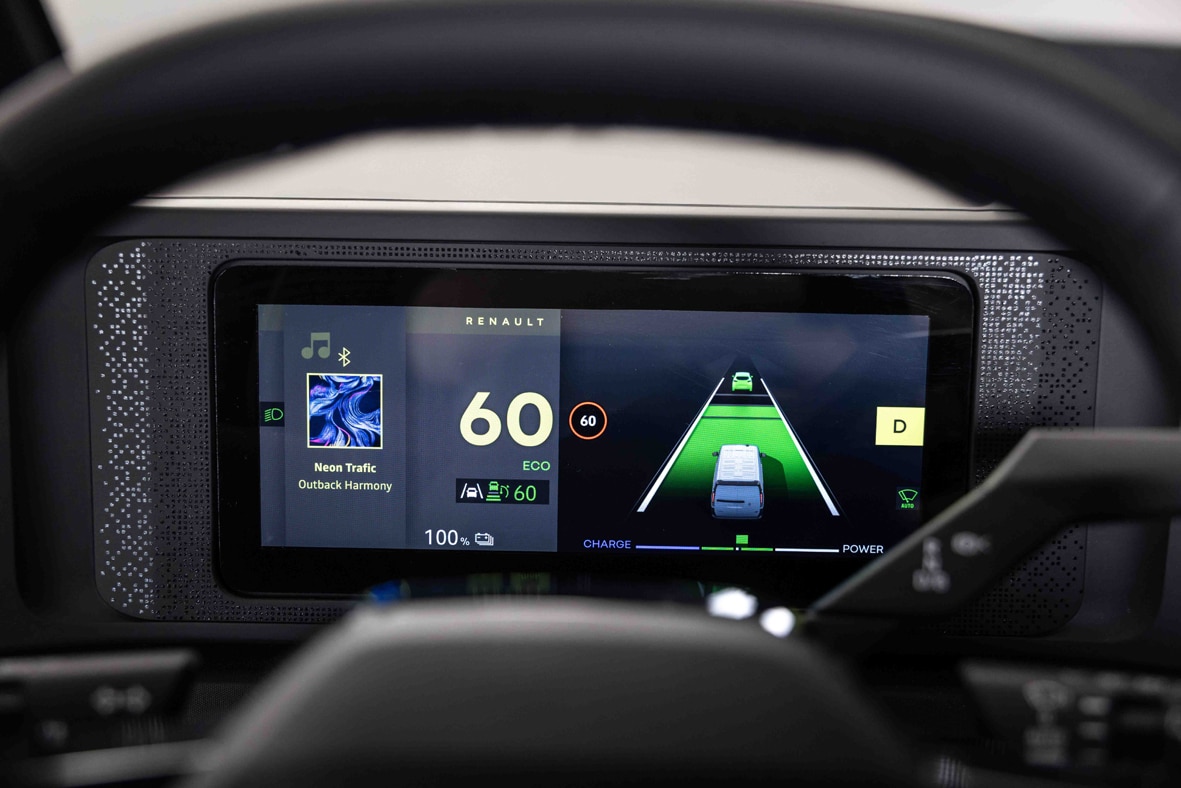
Renault is ushering in a new era in professional mobility at the Birmingham show. Whereas until now, design involved building vehicles from the chassis and engine, to which ECUs and electronic components were added, the SDV approach is that the entire vehicle is created from a single platform with the operating system, Renault's CAR OS, designed by Ampere, coordinating every function. The new centralised system manages data from sensors for driver assistance, engine and chassis management and real-time updates for performance in step with market demands.
Highly advanced technology and connectivity
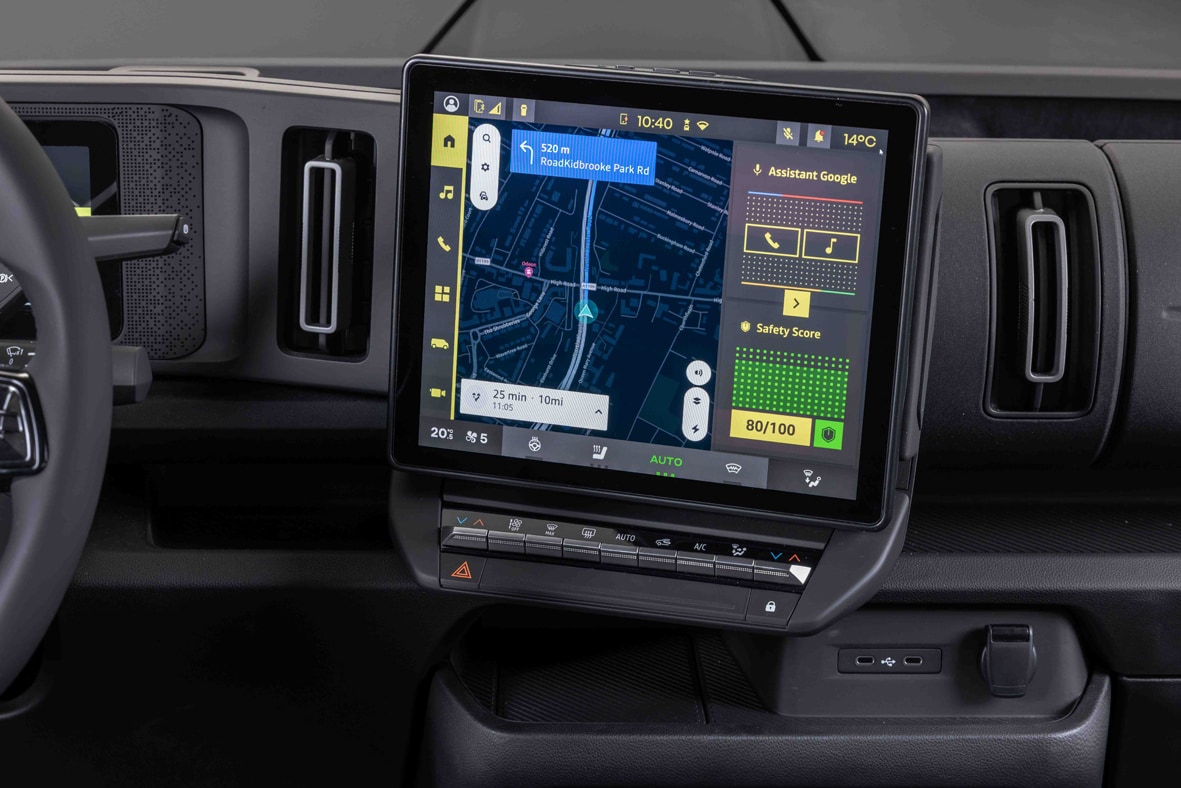
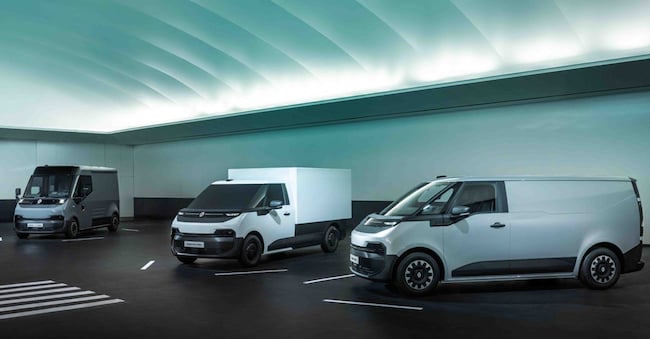
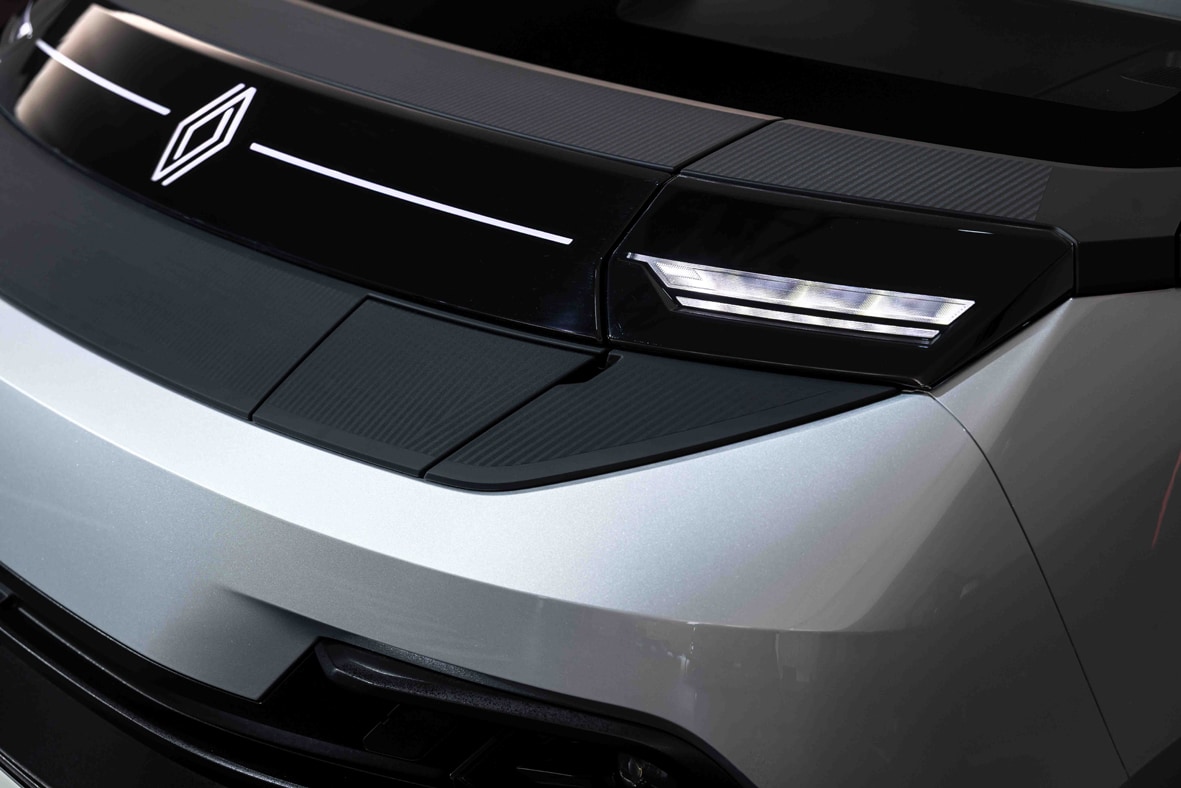
.The first ever models to be built using this construction method are Renault's new Trafic, Estafette and Goelette. Renault's commercial vehicles offer a level of customisation and upgradeability comparable to that of modern smartphones and computers. The main advantage of the new platform is the ability to update the software via the cloud, which enables advanced predictive maintenance: with artificial intelligence algorithms and superior computing power, the system monitors the state of wear and tear of components and diagnoses them, and triggers remote interventions that reduce downtime and operating costs.
The interface with the user is customised
.Professional operators can log on to their profile to access a customised interface, which allows them to intuitively use their preferred functions and applications, adapting to the specific needs of each sector - from deliveries to fleet management, to configurations for special vehicles such as ambulances or refrigerated vans. In addition, companies have the option of integrating the company's operating systems with the vehicle's multimedia, ensuring real-time transmission of information such as routes, timings, contacts and more.
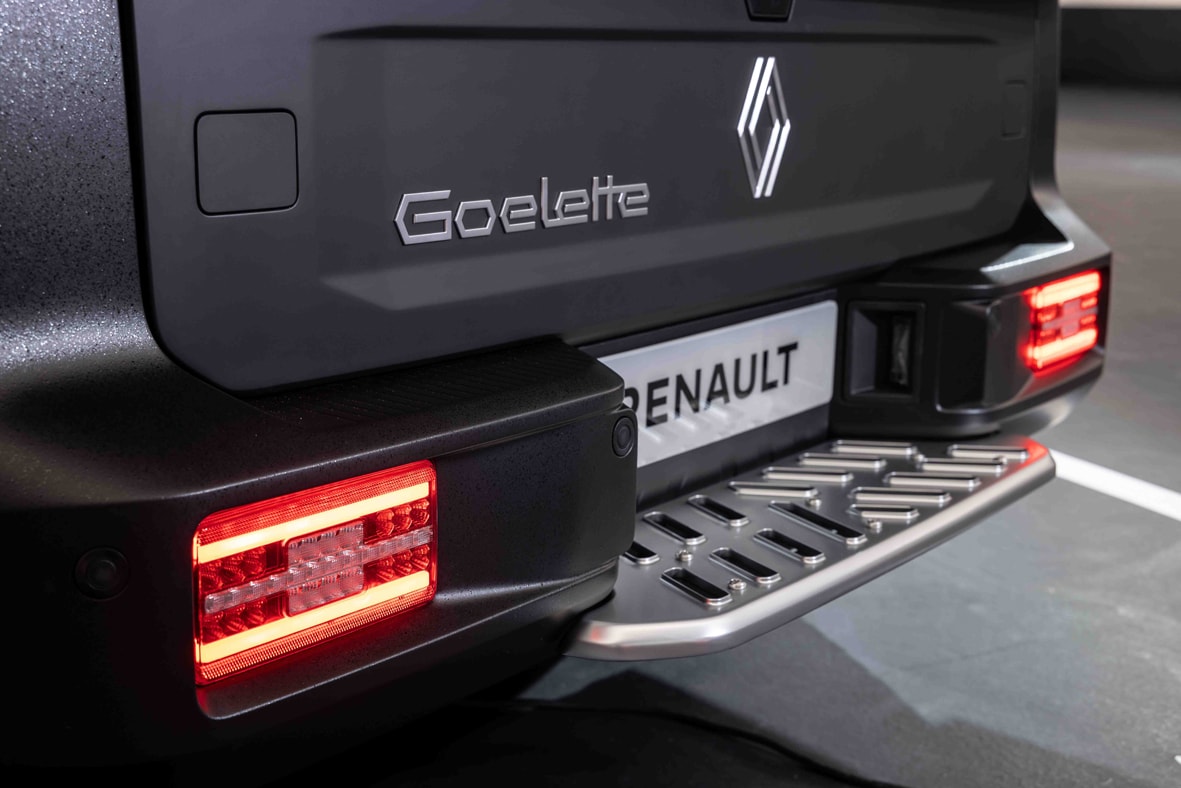
Safety, reliability and residual value
.Renault's new approach not only improves the on-board experience, but also increases the residual value of vehicles over time. Continuous software updates keep the vehicle modern and performing even after 3-4 years of even the most intensive use. In addition, the predictive maintenance system significantly reduces the risks of vehicle failure. All aspects that represent a competitive advantage not only for those who manage fleets, but also for those who use vehicles in particularly stressful contexts.
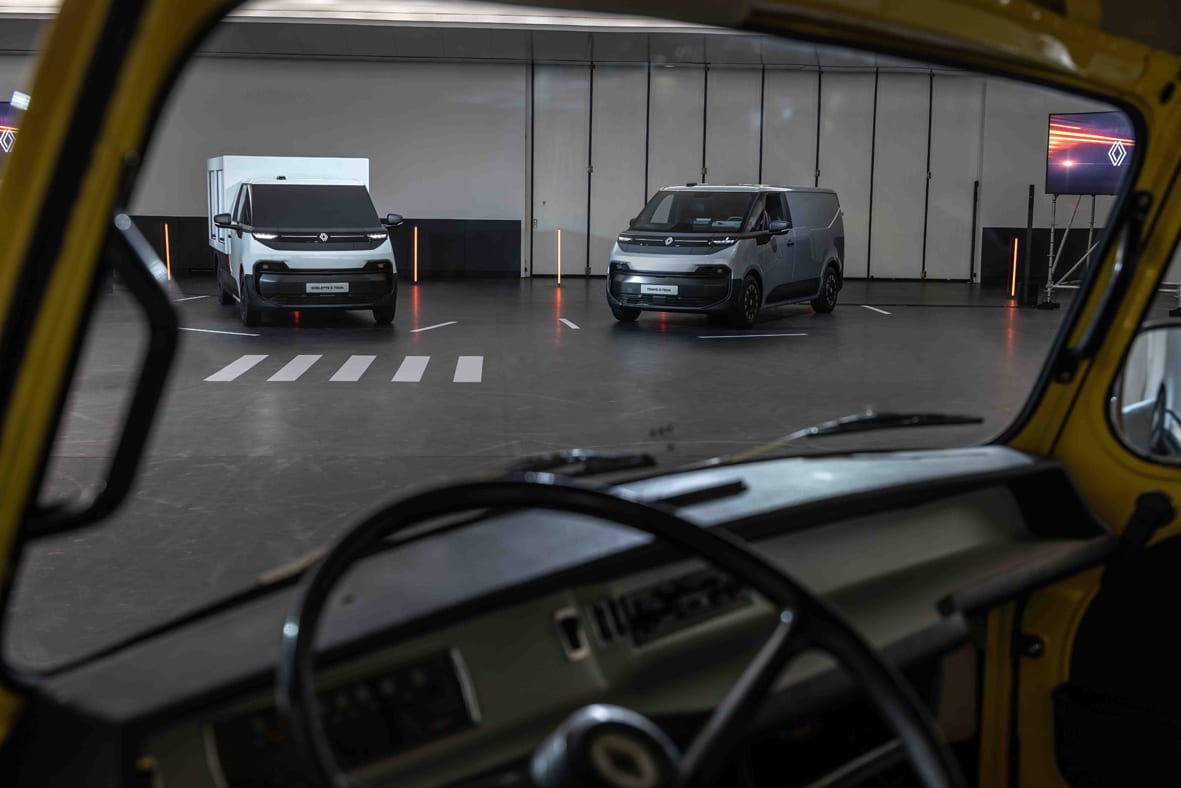
Produced all in France in Soundouville
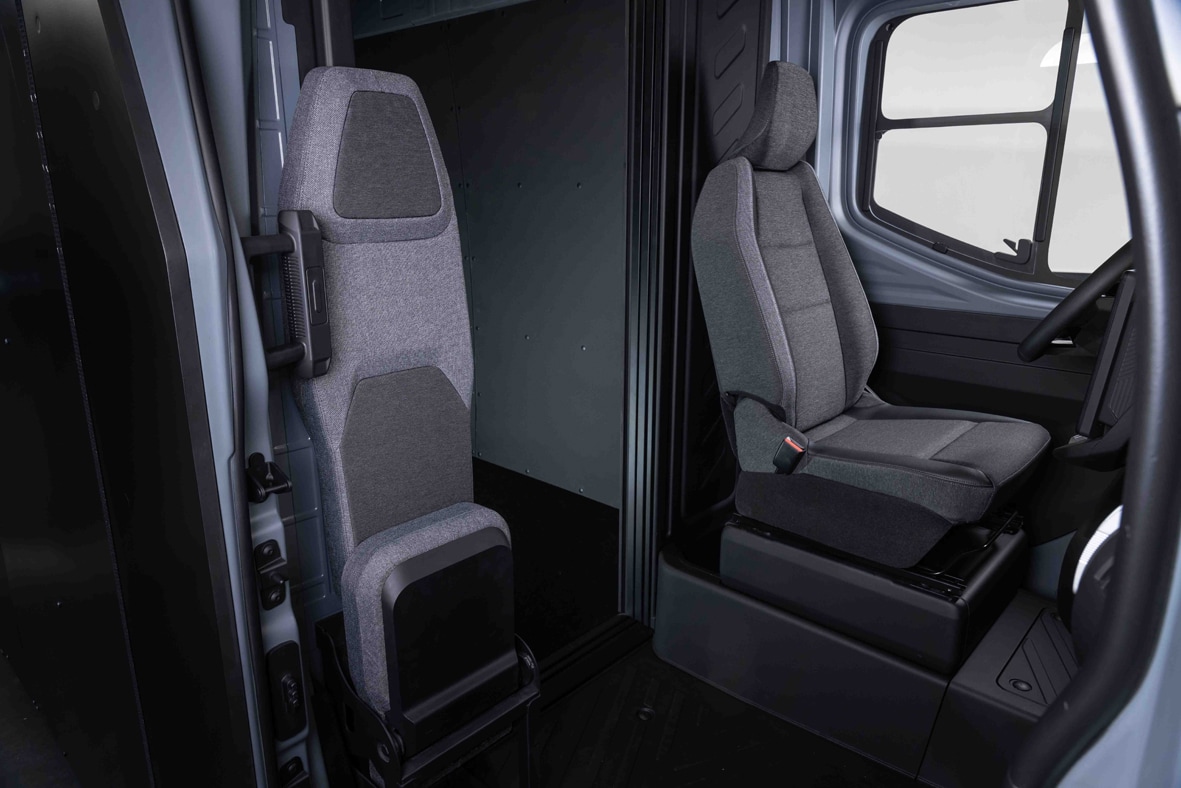
.The new Trafic, Estafette and Gorlette will be produced at the Sandouville plant in France, in cooperation with Flexis. The three commercial vehicles are the result of cooperation with Flexis, an independent company founded by Renault itself, Volvo Group and CMA CGM Group. They are all built on a new platform that is a step forward in vehicle design, offering flexibility, ergonomics and connectivity. Allowing almost infinite possibilities for customisation and reducing the total cost of ownership, while also ensuring safety and high levels of performance.