
Renewables, 48 billion needed for old plants by 2050
Agici study: 73.8 GW to be modernised in Italy, mainly photovoltaic and hydroelectric. Operators: we need to break the concession deadlock as well as simplified authorisation procedures

3' min read
3' min read
Starting from an estimated capacity of 83 GW installed in 2025, by 2050 73.8 GW will have to be renewed in Italy with a hypothesised cost of 48.3 billion euros, mainly for photovoltaic and hydroelectric power: this is the outcome of the study 'Net Zero: the challenge and potential of renewable energies to 2050', presented today in Milan at the workshop 'Net Zero Economy to 2050: mirage or reality?' organised by the research company Agici in the 2024 edition of the International Renewable Energy Observatory in the presence of the main players in the sector.
"It is a very relevant issue from the point of view of both operators and financiers," reasons Agici CEO Marco Carta. The analysis shows that 70% of hydroelectric plants date back to before 1980, while two-thirds of wind and photovoltaic plants date from 2007-2014. This translates into investments for hydro in the short term, while solar and wind power "in the three-year period 2035-2037 alone could require up to one-third of the total expenditure considered," reads the study, which excluded the value of plants rebuilt through incentives, and those for waste-to-energy.
Renewal costs
."When talking about energy transition and innovation, it is necessary to keep in mind that at the heart of the process are facilities that are naturally subject to obsolescence. It is not enough to invest in renewable capacity to get to a net zero society, but it is necessary to plan for and anticipate tomorrow's maintenance and renewal costs today. A great deal of foresight is required of our country to support operators in bearing costs and to guarantee, with appropriate policies, proper plant maintenance,' adds Anna Pupino, coordinator of the Renewables Observatory.
Hydroelectricity: stalled concessions
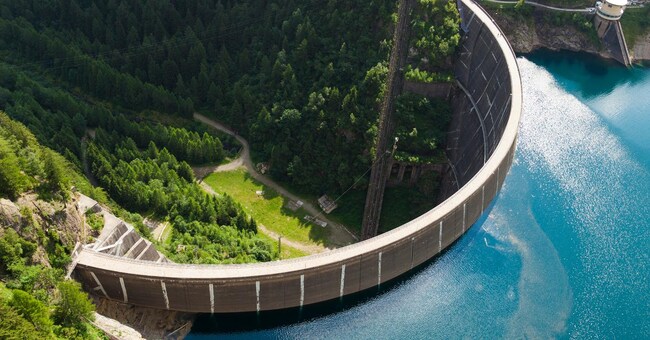
Investments in hydroelectricity clash with the stalemate on expired concessions, felt by all operators, given Italy's decision, the only one in Europe, to proceed with re-allocations through tenders, despite stops and appeals. "The unblocking would make it possible to mobilise between EUR 10 and 15 billion over the next ten years. Renewables operators are ready to invest in the entire national supply chain by supporting utility-scale plants to increase production, upgrade the grid, and develop storage. To do this, it is necessary to change the current regulatory framework that prevents the development of new plants but also revamping. It is essential to work on simplifying procedures and permitting to prevent operators from continuing to be penalised by Italian legislation, which is unfavourable compared to that of other European countries,' comments Giuseppe Argirò, CEO of Cva.
Wind energy: simplified authorisation procedures
Nicola Monti, Edison's CEO, agrees on hydroelectricity, adding: 'We are about to start the repowering of four wind farms that will more than double the energy produced. We believe it is necessary to define a simplified authorisation process for repowering projects, since they translate into a technological improvement and involve production sites that are already in existence". Along the same lines Paolo Merli, Erg's CEO: "Repowering a wind farm, with the same amount of land occupied and half the turbines, makes it possible to double installed power and triple energy production, thanks to new technologies. Paradoxically, in Italy the current regulatory framework hinders this intervention through complex and excessively long authorisation procedures and - a unique case in Europe - unjustified penalisations in the tariffs awarded through public auctions. On the contrary, repowering should benefit from authorisation priority, as already sanctioned by European regulations, and from better tariffs given the wider systemic benefits and higher costs associated with the early dismantling of the existing plant'.


