
Resident Evil Requiem, the scare formula works but not the ending
Capcom fuses survival horror and action in a dual chapter between experimentation and historical memory. The rhythm and hybrid structure works, the nostalgia-laden finale less convincing.
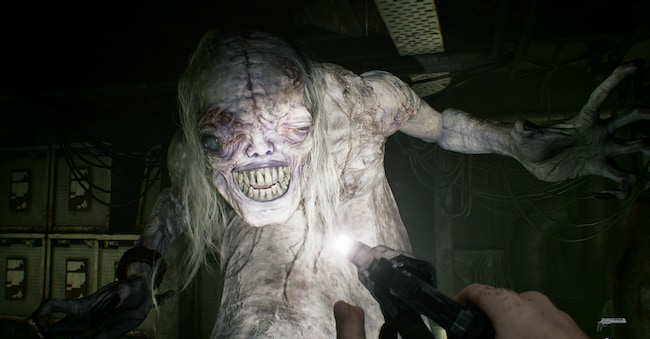
There's a number that says it better than any trailer: millions of copies sold in just a few days. Resident Evil Requiem is not just a new chapter. It is a refined industrial product, a laboratory where Capcom tries to hold together thirty years of video game horror evolution without throwing anything away.
What is immediately striking is its dual nature. On the one hand there is Grace, a fragile FBI agent, almost out of place, with few resources and a lot of fear. On the other is Leon Kennedy, veteran, war machine, living memory of the saga. It is as if two games coexist in the same space: one made of silences, corridors and anxiety, the other of explosions and control. The transition between first and third person is not a technical trick but a directorial choice. The first person puts you in panic, the third person gives you back dominance. The result is a well constructed rhythm, a kind of wave that alternates tension and release without ever really stopping.
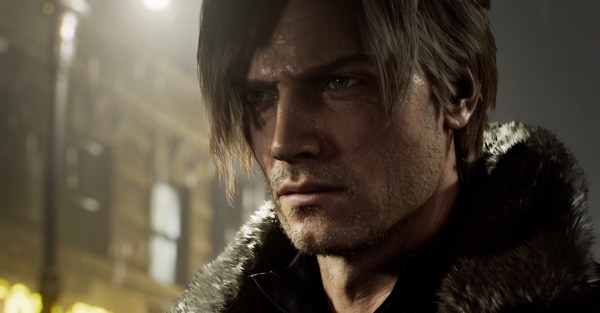
Herein also lies the real change from the past. For years Resident Evil has swung like a pendulum between pure horror and spectacular action. Requiem stops choosing and tries to hold it all together. It is no longer a genre, it is a container. A product that speaks to different audiences at the same time. Grace brings in a more psychological, almost claustrophobic dimension, while Leon embodies tradition and spectacularity. It is a strategy reminiscent of digital platforms: multiple doors of entry, same ecosystem. The narrative also follows this logic, mixing past and present without erasing anything. There is no reboot, there is reuse. And the direction, with closed environments, destroyed cities and neon lights, looks more like cinema than the classic video game.

But then comes the weight of history. In the second half, the game changes balance. When Leon takes centre stage, the action grows but the tension is diluted. The pace lengthens, it loses precision. Nostalgia becomes more evident: references, quotations, returns to iconic locations. For those familiar with the saga, it is an immediate, almost reassuring pleasure. For those looking for something new, however, it risks being background noise. Even the boss fights, which should be the pinnacle of the experience, are less incisive, more predictable, as if one last creative flick were missing.
The paradox is all here. Resident Evil Requiem works precisely because it holds past and present together, but it is the past itself, at times, that slows it down. Still, it remains a solid, self-aware, precisely constructed episode. It doesn't reinvent the saga, but it organises it. And in doing so, Capcom sends a clear signal: horror is no longer just fear. It is a modular system, able to adapt, to change pace, to speak to several players at once. A designed, almost engineered fear


