

Rosso: the first digital platform dedicated to the Italian blood transfusion sector is expanding
Ema Health, the company that developed Rosso, has secured €3 million in funding.

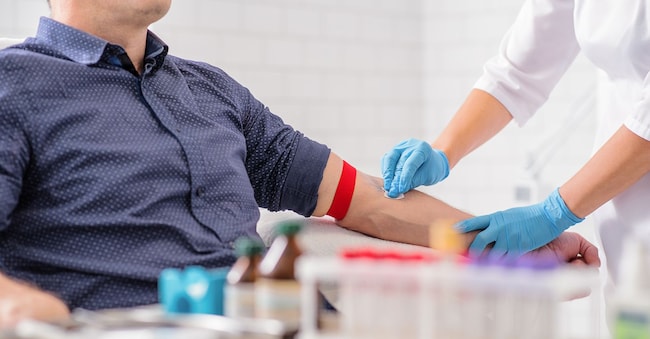
Ema Health, a company specialising in healthcare innovation, has closed a €3 million investment round for its digital platform Rosso, which serves the Italian blood transfusion sector, with new shareholders and strategic investors joining the company. The round is led by 360 Capital through the 360 Digitaly fund, with the support of Cassa Depositi e Prestiti and the participation of, among others, Angelini Investments. For Chiara Schettino and Filippo Toni, founders of Ema Health and the Rosso platform, “this round allows us to scale up nationally and build a technological benchmark for the blood and blood products system, first in Italia and then in Europe”. “Rosso,” adds Sergio Marullo di Condojanni, CEO of Angelini Industries, “demonstrates how young entrepreneurs can make a tangible contribution to strengthening an infrastructure that is essential to the healthcare system, creating value for the community.”
Rosso was founded in 2023 following a meeting between two young entrepreneurs active in the field of healthcare innovation: Chiara Schettino, an alumna of Ca’ Foscari University – H-Farm College, and Filippo Toni, born in 2006, the youngest Italian to secure an investment round of this scale. The founders have built a business that, in just two years, has engaged tens of thousands of donors across hundreds of blood collection centres nationwide and involved dozens of leading Italian companies in promoting blood health among their employees. With just a few taps on a smartphone, Rosso locates the nearest centre and allows users to book a blood or plasma donation quickly and easily, managing the entire process directly from the app. The Italian blood transfusion system currently operates on a voluntary and unpaid basis. In 2024, there were 1.67 million active donors, accounting for a total of 3 million donations. However, many donors are approaching the age of 65, the upper age limit for donation, and without a new generation of donors, the self-sufficiency achieved could be put at risk; it is also important to note that young people mainly obtain information through digital channels.

