
Ruffini: recovery of evasion now 'structurally' exceeds 30 billion
The resigning director of the Agenzia delle Entrate exposes his work. Among the points emphasised was the extension of the pre-compiled tax return to VAT numbers

3' min read
3' min read
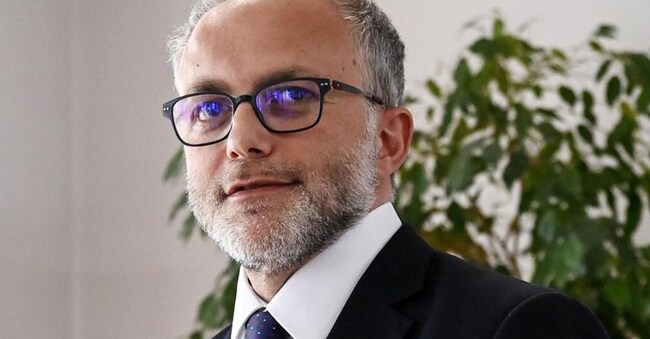
The evolution over the past nine years of the Agenzia delle Entrate and Agenzia delle Entrate-Riscossione, including the development of new activities, the digitalisation of processes, and the hiring of thousands of young officials and numerous managers, 'restoring the sense of years of great commitment of these two fundamental organisations in the service of the country'. This is the heart of the lengthy report ('initiatives carried out and results achieved in the period June 2015-September 2018 and January 2020-December 2024') sent on the day of his farewell by outgoing director Ernesto Maria Ruffini to Economy Minister Giancarlo Giorgetti.
Inland Revenue Agency
In the text, it is reported that the objectives relating to the improvement of services to citizens and businesses have been increased and enhanced to the point that currently about 80 per cent of them are provided through telematic channels. According to the end-of-mandate report, the progressive digitalisation of information flows has made it possible to orient control and assessment activities with a view to enhancing compliance. The letters alone with which citizens are alerted to possible anomalies related to declarations in 2023 produced revenue of over 4 billion, compared to just over 1 billion in 2015.
The digitisation of processes and procedures has also made it possible to acquire and reprocess tax-relevant data transmitted to the Agency, and to introduce, consolidate and expand the scope of the pre-filled declaration, which, after having concerned natural persons (employees and pensioners), from 2021-2022 has also been extended to VAT numbers (annual declaration, draft registers and periodic settlements). In terms of revenue, the interconnection between the various parts of the digital infrastructure set up over the years (in particular electronic invoicing and telematic transmission of receipts) has contributed to greater tax loyalty, with a steady growth in spontaneous compliance relating to the main taxes managed by the Agency (from €414 billion in 2017 to €536 billion in 2023, an increase of 30 per cent) and a parallel decrease in the tax gap, which in 2021 - the last year available - was approximately 27 per cent lower than in 2016.
At the same time, the Agency has achieved and consolidated a greater capacity to recover evasion, which now 'structurally' exceeds by far more than 20 billion per year for the Treasury alone and 30 overall, with the total recovery amounting to 206.1 billion euro over the period 2015-2023. In addition, the attractiveness of the country-system has been fostered, with some EUR 15 billion worth of investments being questioned in the last three years alone.
In the post-pandemic recovery phase, thanks to the technological know-how of the Inland Revenue, 21 types of grants were managed, disbursed on average within 10 days from the submission of the application. In addition, thanks to the simplification of payment processes, there has been a significant reduction in the timing of tax refunds, especially with regard to VAT (to date about 70 days from the date of submission of the application).

