A change of pace

Sahara: Rabat announces a turning point: ‘MINURSO’s mandate has not been renewed’

The Royal Cabinet interprets the decision as marking the end of a 35-year period. Morocco is focusing on autonomy under its own sovereignty and insists that negotiations in their current form must be moved beyond.

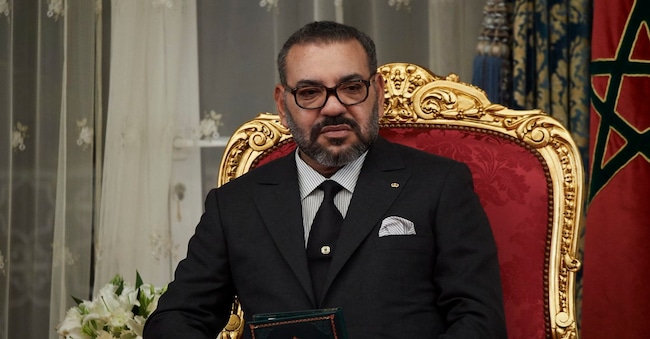
Il re Mohammed VI del Marocco  Foto di Carlos R. Alvarez/WireImage

3' min read

Translated by AI
Versione italiana

3' min read

Translated by AI
Versione italiana

Not merely a diplomatic deadline, but a turning point. This is how the Moroccan Royal Palace interprets the failure to renew the mandate of MINURSO, which, according to a statement from the Royal Cabinet released by the MAP news agency, was not extended by the United Nations Security Council at its meeting on 30 October. For Rabat, this represents “an important development and a significant step towards the definitive closure of the Moroccan Sahara dossier at the United Nations”.

The word on which Morocco emphasises is ‘turning point’. Not merely the conclusion of a mission’s activities, therefore, but a move beyond the political and diplomatic framework that has characterised the dispute for decades. This interpretation has significant implications and is presented in the statement as the dawn of a new era.

Loading...

The end of the mission, as seen by Rabat

According to the text attributed to the Royal Cabinet, the failure to renew the mandate is expected to result, in the coming days, in the end of MINURSO’s presence in the territories that Rabat refers to as the ‘southern provinces of the Kingdom’, with the withdrawal of personnel, vehicles and equipment.

“A chapter lasting 35 years is coming to an end,” says the government. The mission is described as the legacy of a context that is now a thing of the past: a tool which, according to the Moroccan interpretation, has helped to keep the dispute on the international stage without allowing it to be resolved.

The political message is clear. For Rabat, the time has come not to simply maintain the status quo, but to change the very foundations on which it rests. It is on this point that the communiqué bases its diplomatic demand.

The crux of the United Nations’ role

The most challenging issue, however, concerns what should happen next. According to the Royal Cabinet’s interpretation, failure to renew the mandate should also mean that the matter is removed from the Security Council’s agenda: no more regular meetings, reports from the Secretary-General or briefings from his personal envoy.

The statement therefore regards the political process of the United Nations as suspended and announces similar initiatives within other UN bodies. It is here that Morocco’s position takes on its broadest significance: not merely the end of a mission, but the scaling back of the multilateral framework within which the dispute has been addressed.

It remains essential to distinguish between the different issues. The failure to renew the mandate is reported in the text published by Map; the termination of the mission and, above all, the removal of the issue from the agenda of the Security Council are the conclusions drawn by Rabat.

Autonomy at the heart of the Moroccan initiative

The Royal Cabinet links this development to the Festival of Unity, established by Mohammed VI and presented as a symbol of the shift from managing the issue to transforming its underlying conditions. The other parties are blamed for the deadlock in the negotiations and the continuation of the status quo.

This diplomatic protest is accompanied by confirmation of Morocco’s commitment to respecting the ceasefire, within the framework of safeguarding territorial integrity, national security and the peace of mind of its citizens.

Loading...

Rabat also announces that the initiative launched by the King will continue at bilateral and regional levels. According to the statement, more than two-thirds of the member states of the United Nations, including permanent members of the Security Council and other influential powers, support autonomy under Moroccan sovereignty as the sole framework for resolving the dispute.

This is the political objective set out by the Government: to make autonomy not just one proposal amongst many, but the central focus of the solution. The press release presents the transition to this new phase as already underway. Its actual scope, both on the ground and in international forums, remains to be assessed through the proceedings of the United Nations.

Copyright reserved ©
Loading...

Brand connect

Loading...

Newsletter

Notizie e approfondimenti sugli avvenimenti politici, economici e finanziari.

Iscriviti